All rights reserved
© 2026 Jochen Simon
Still here
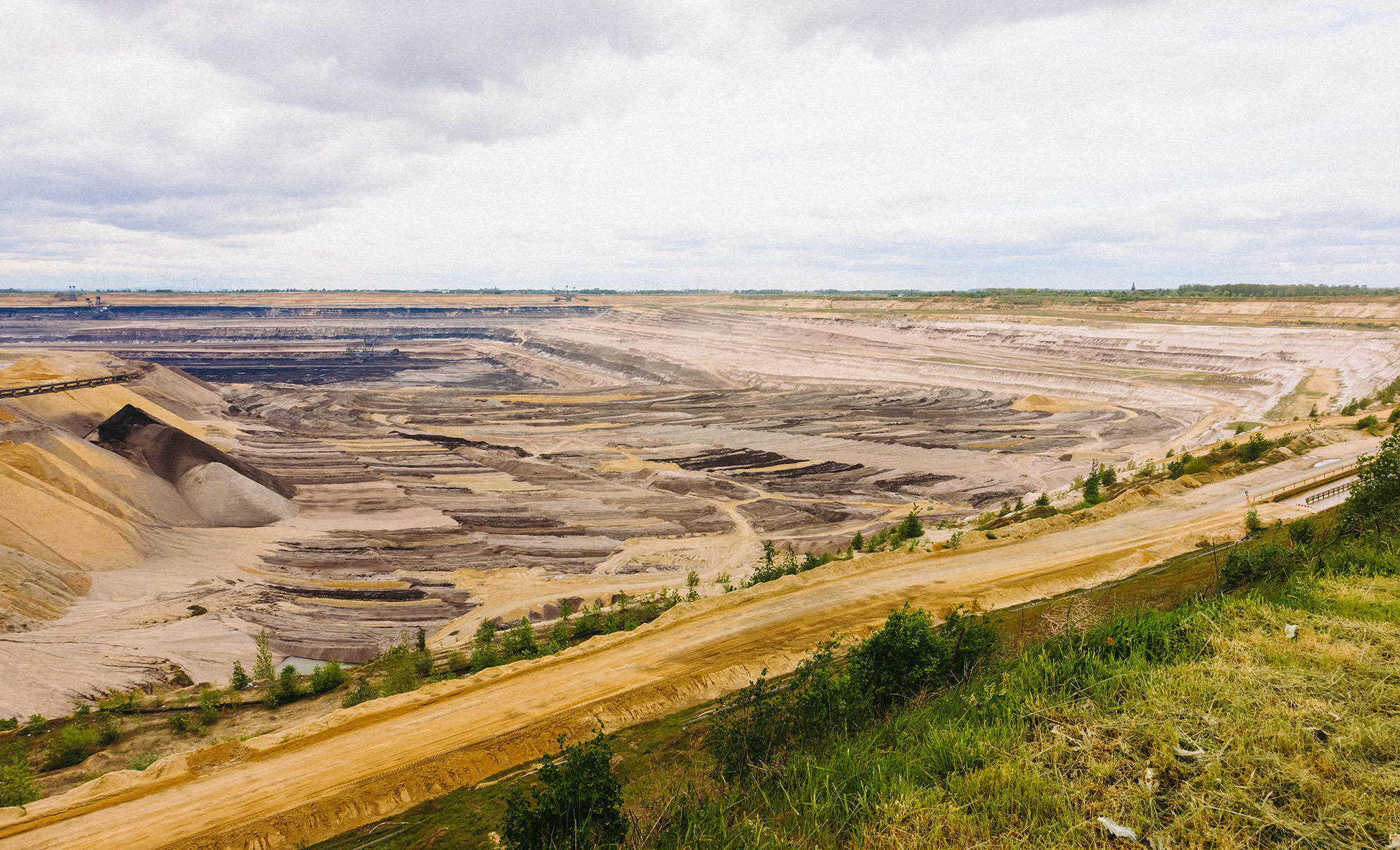
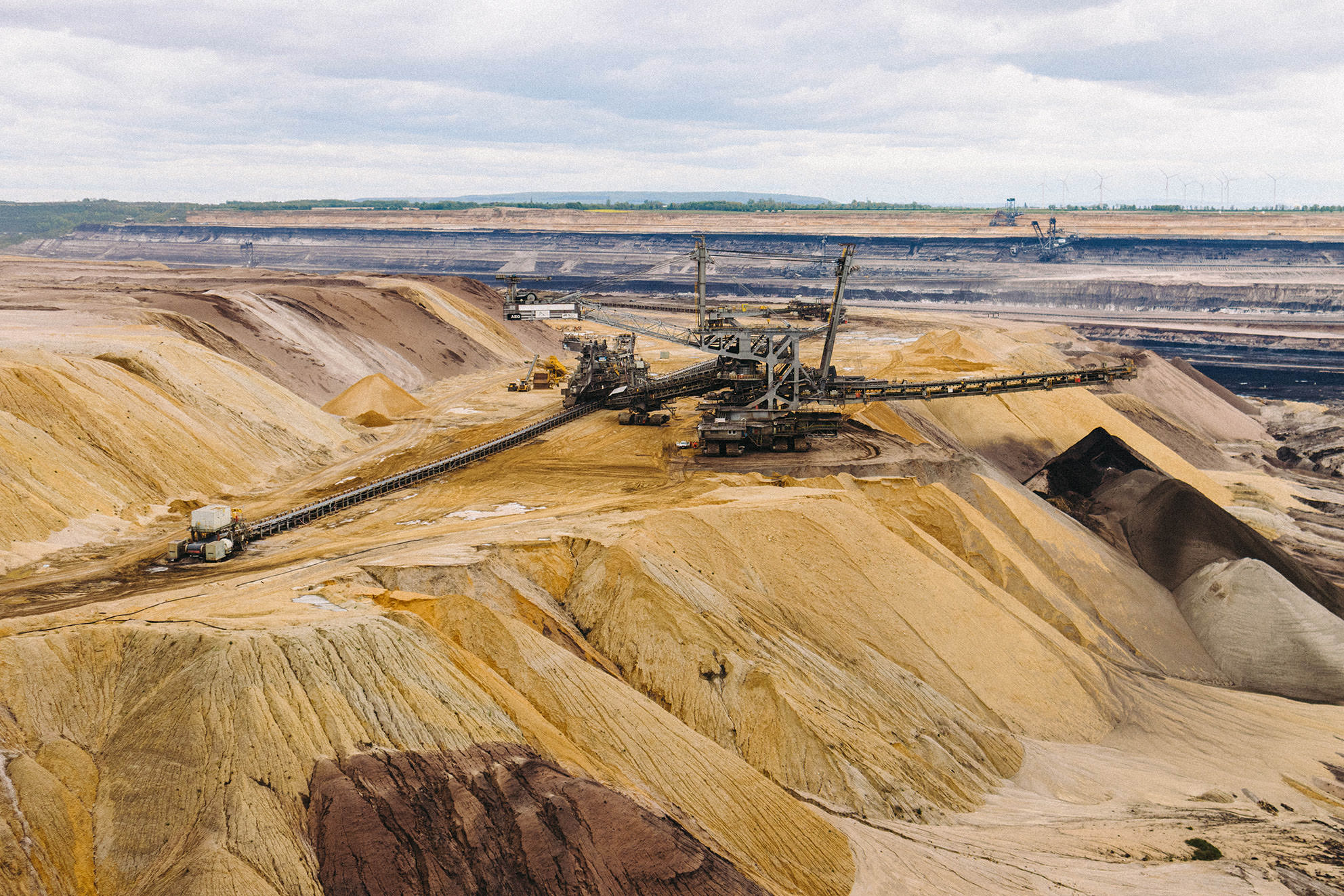
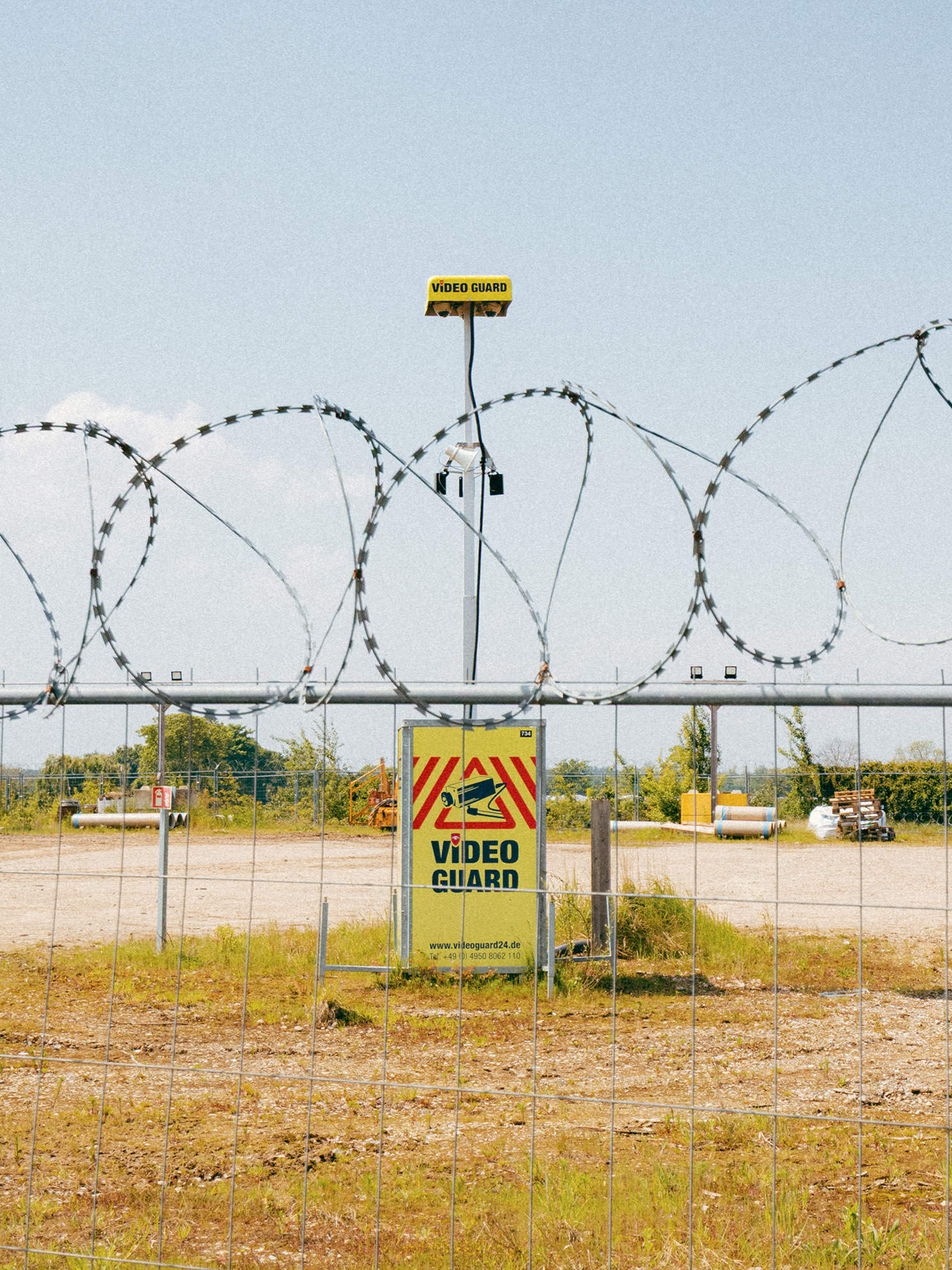
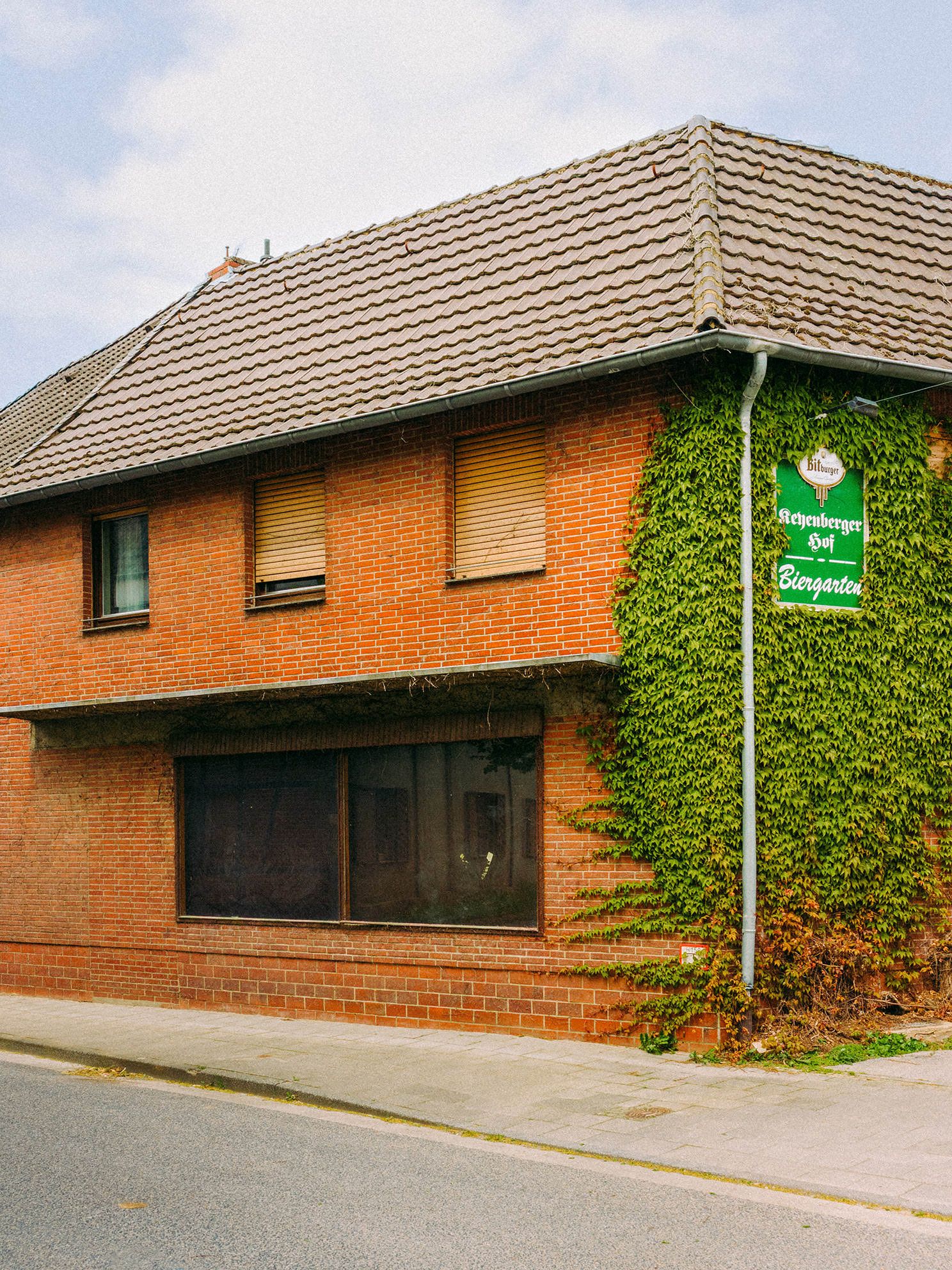
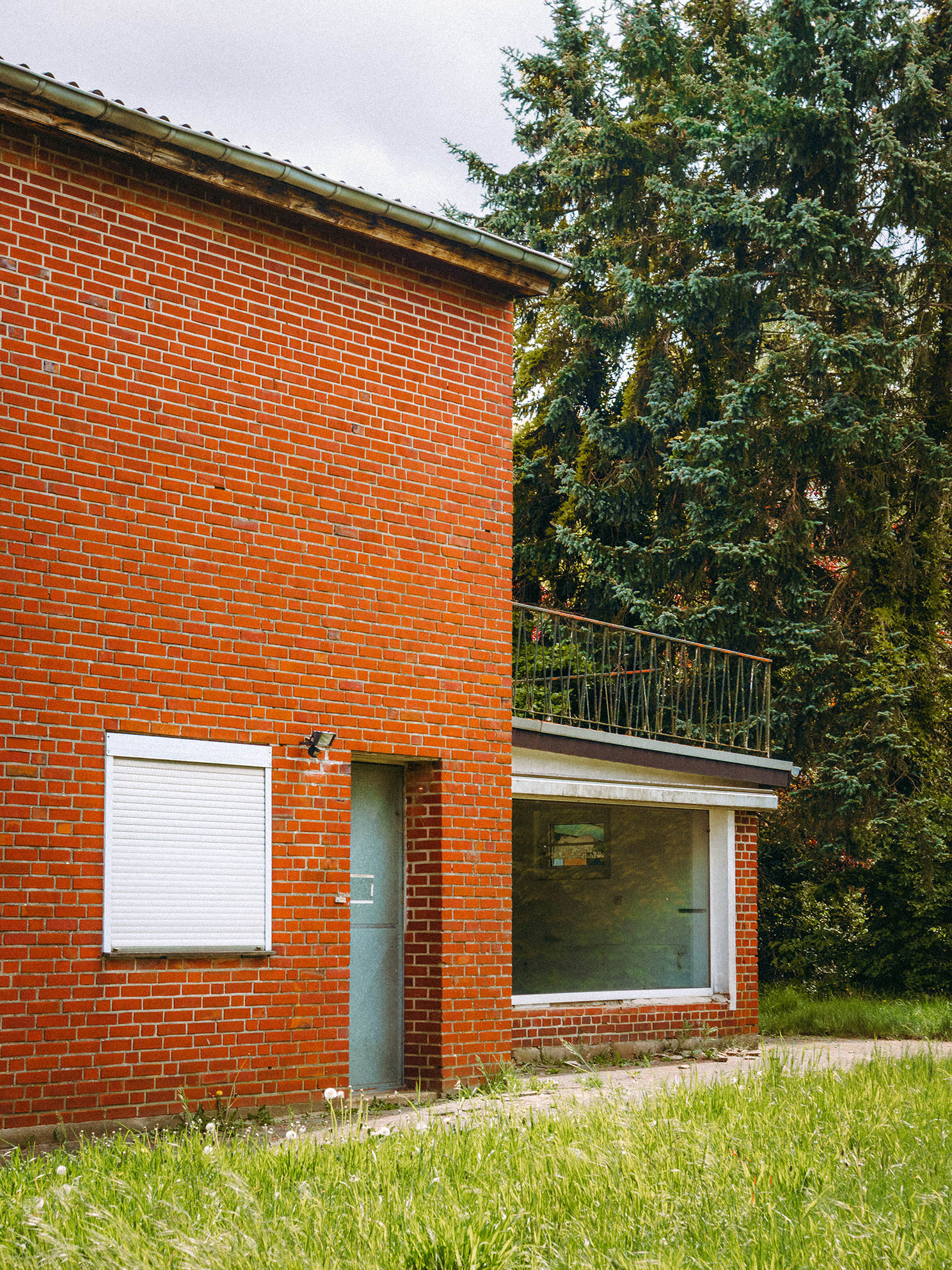
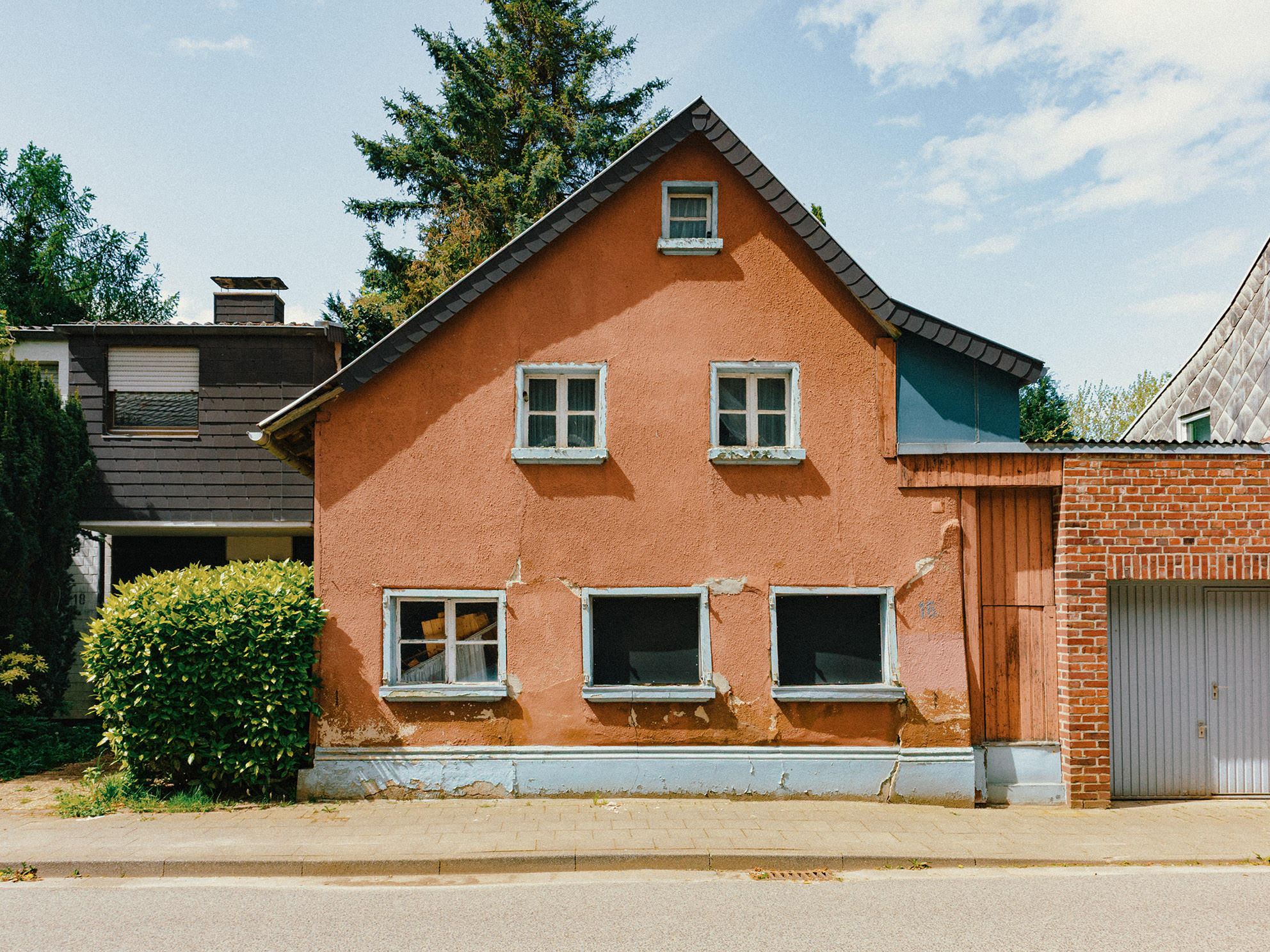
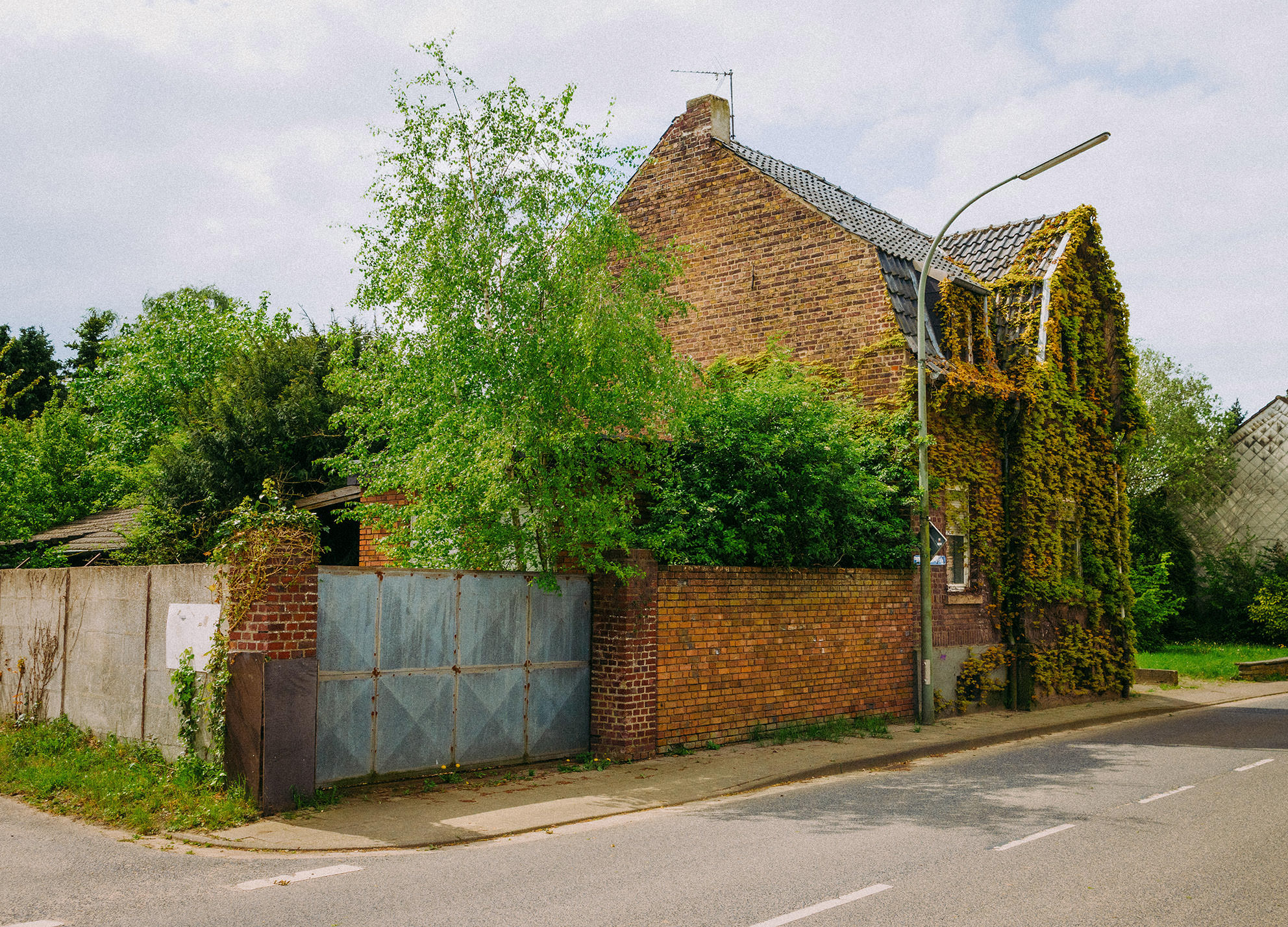
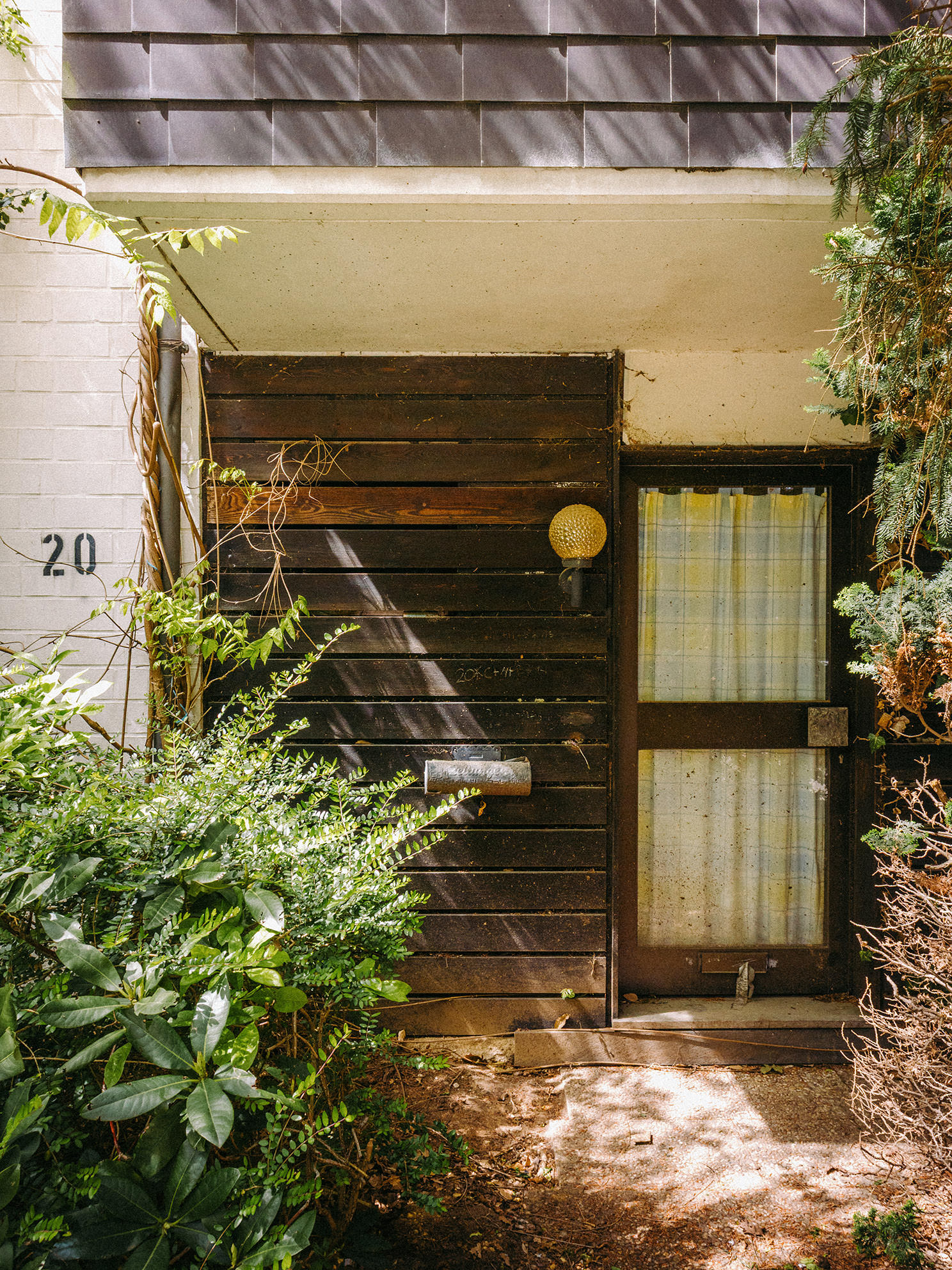
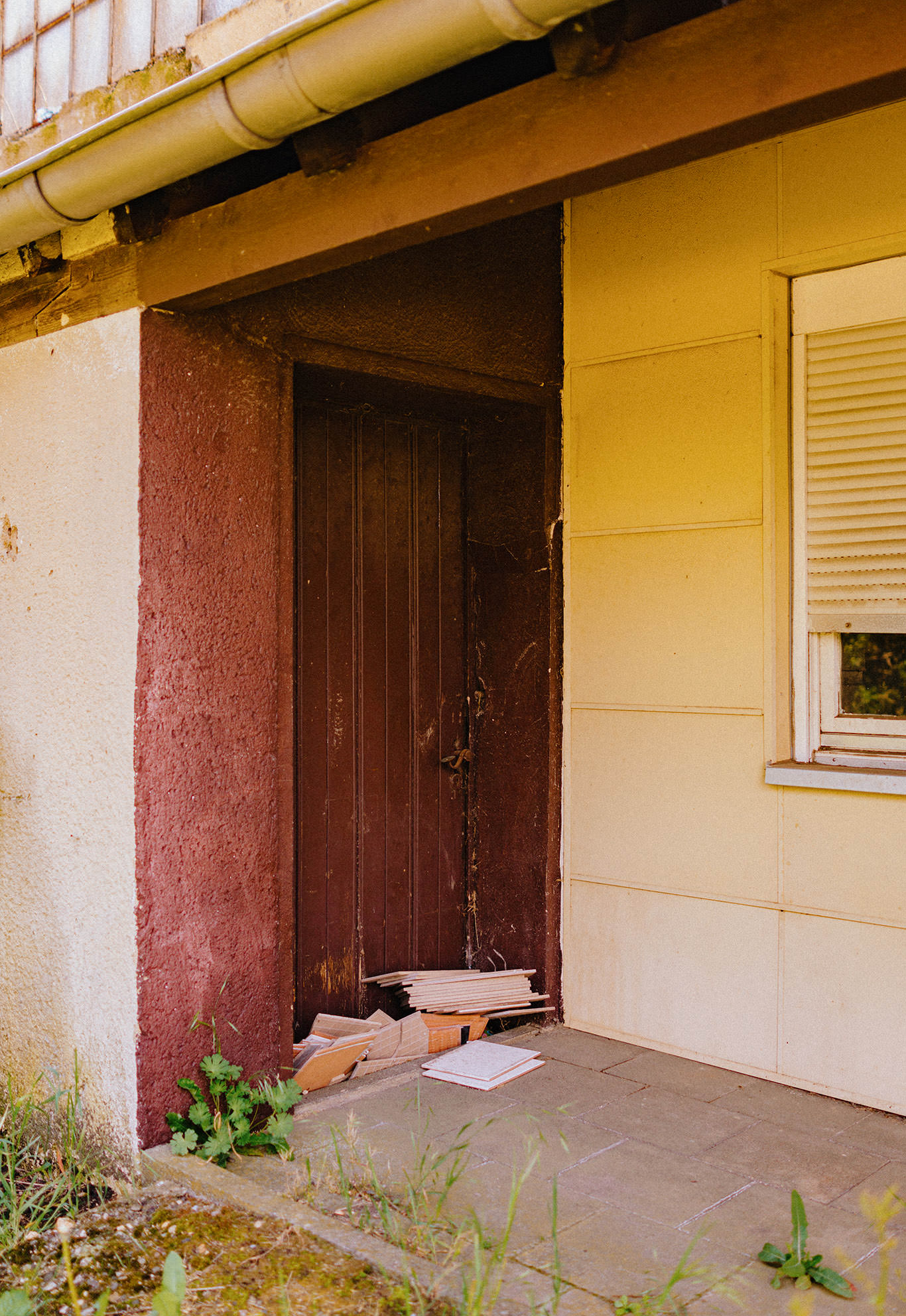
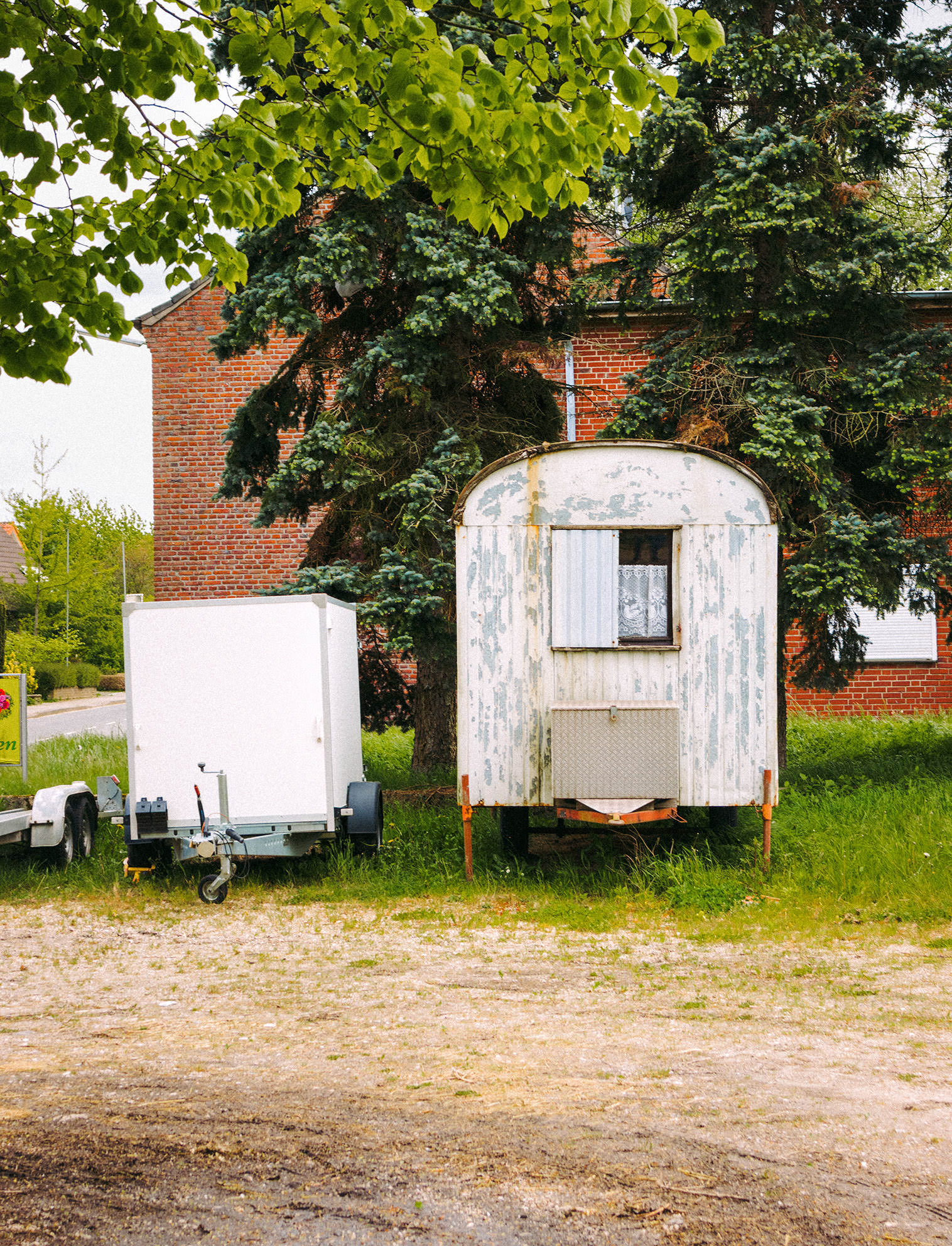
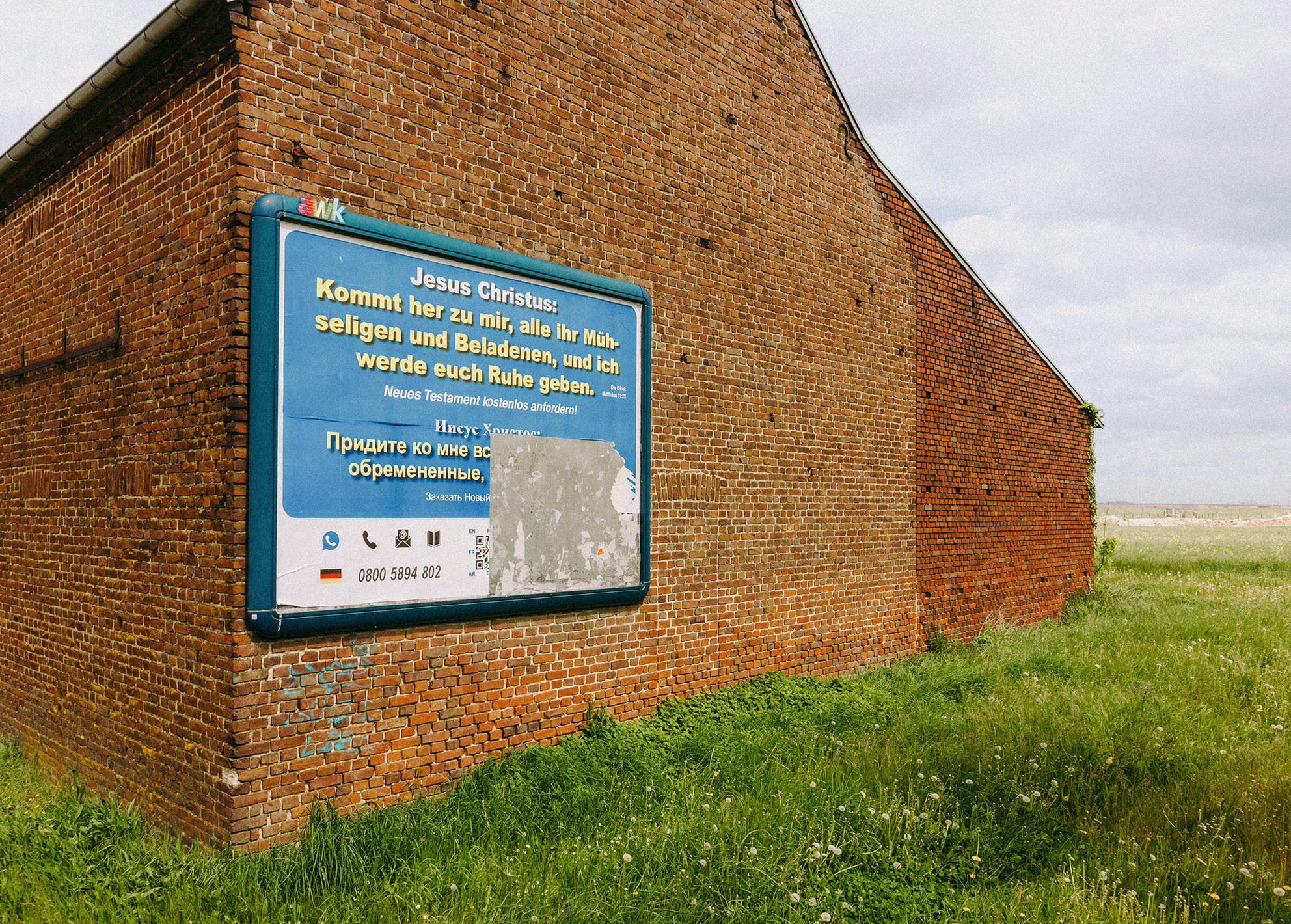
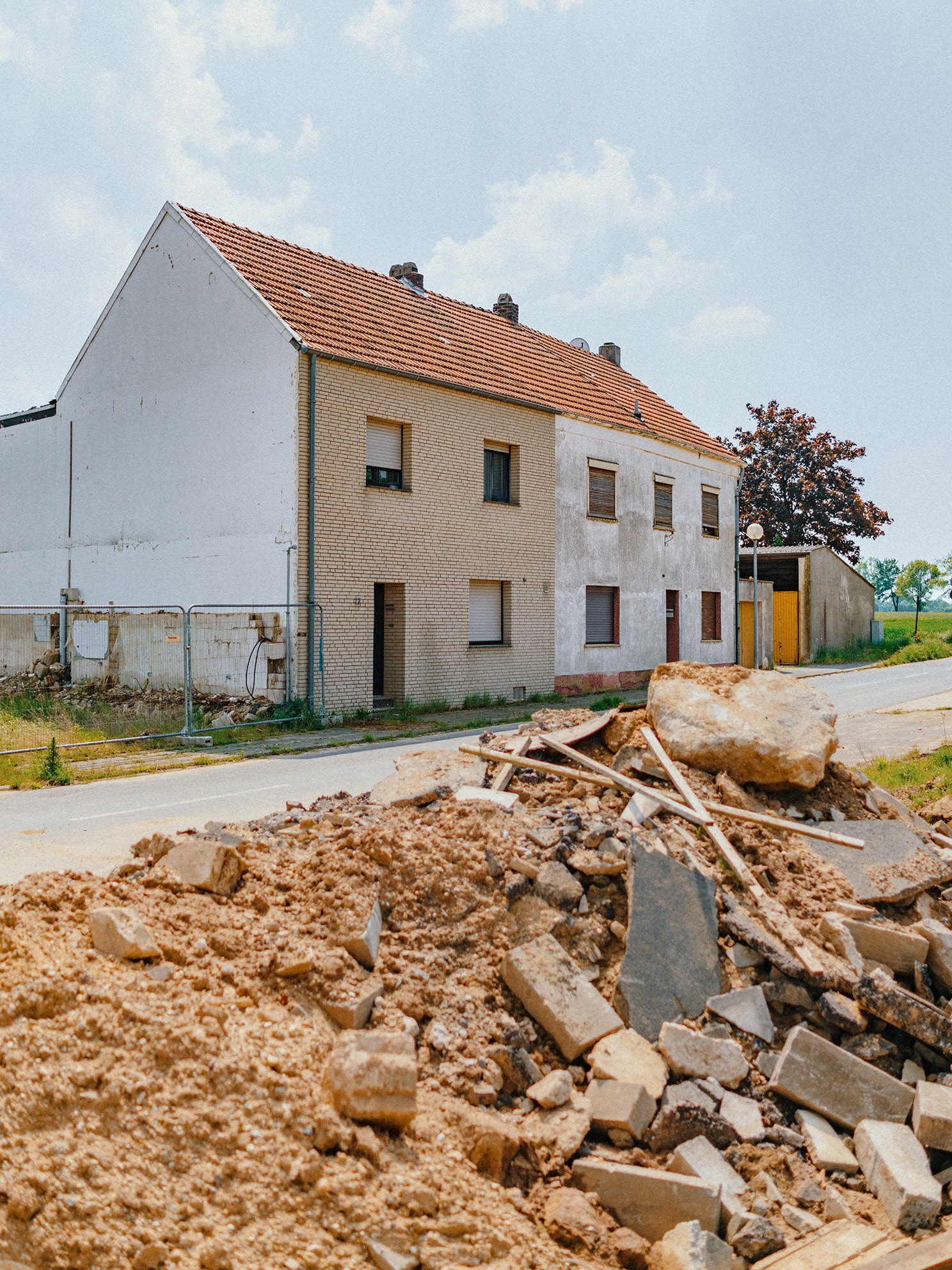
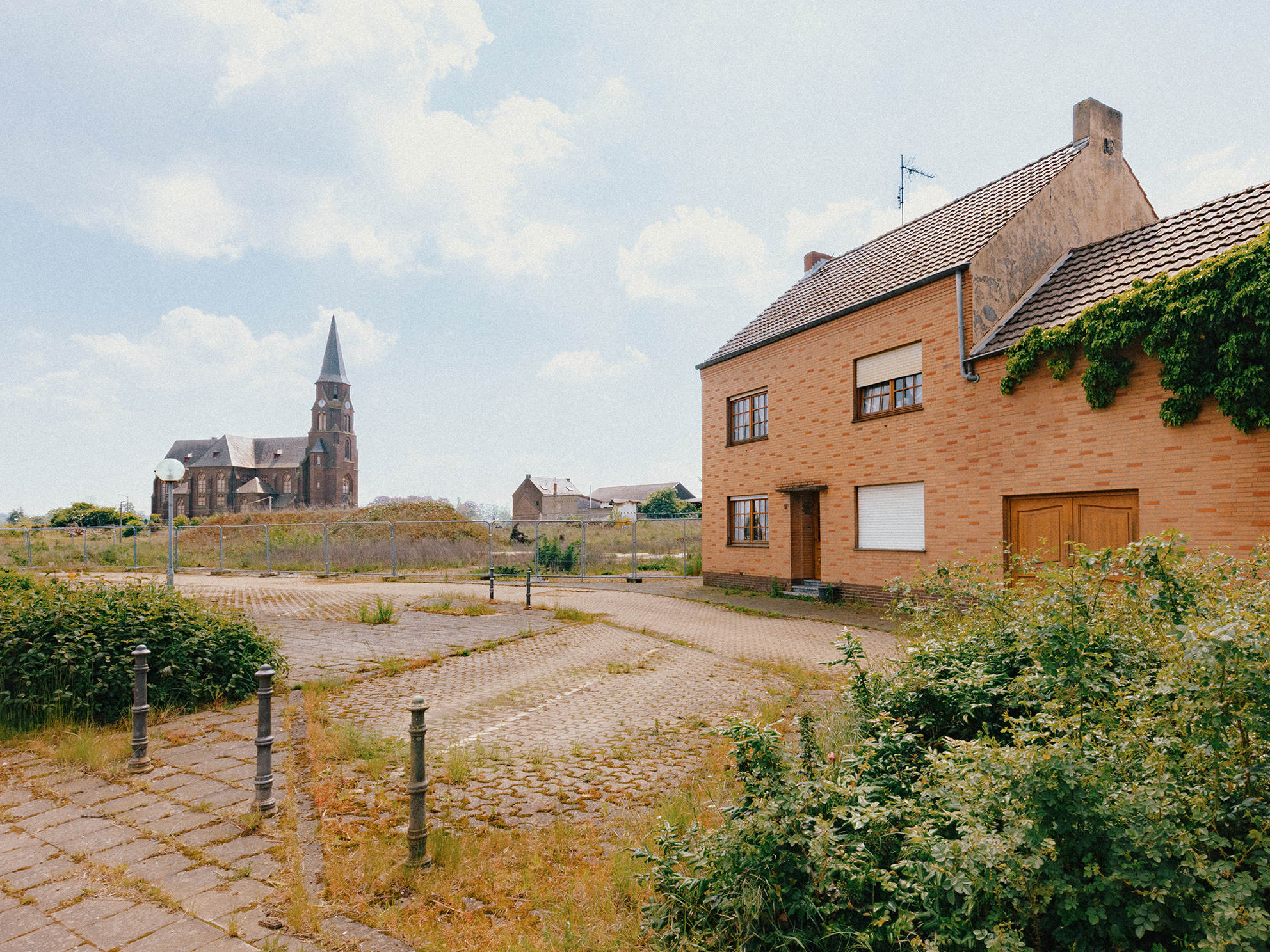
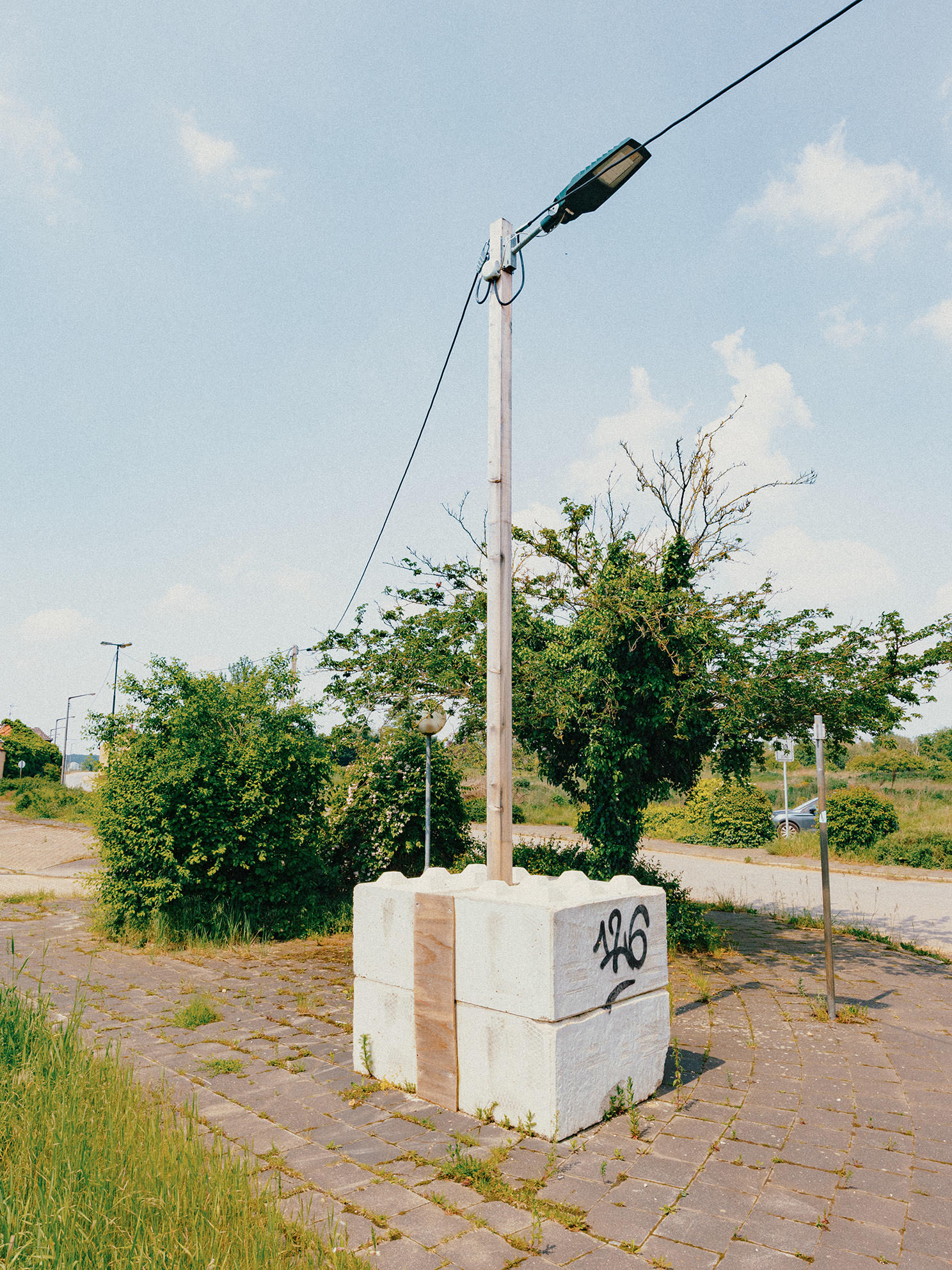
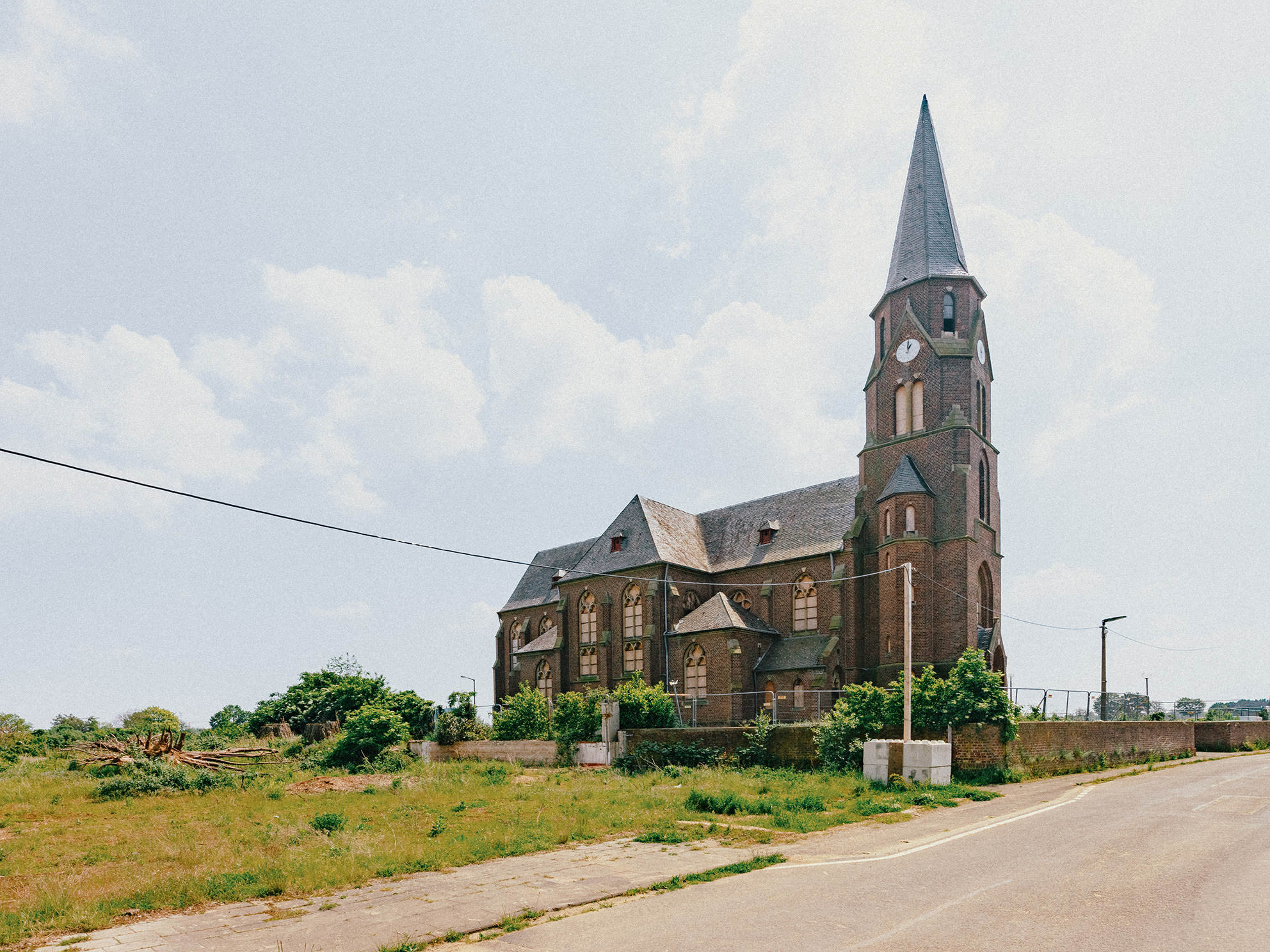
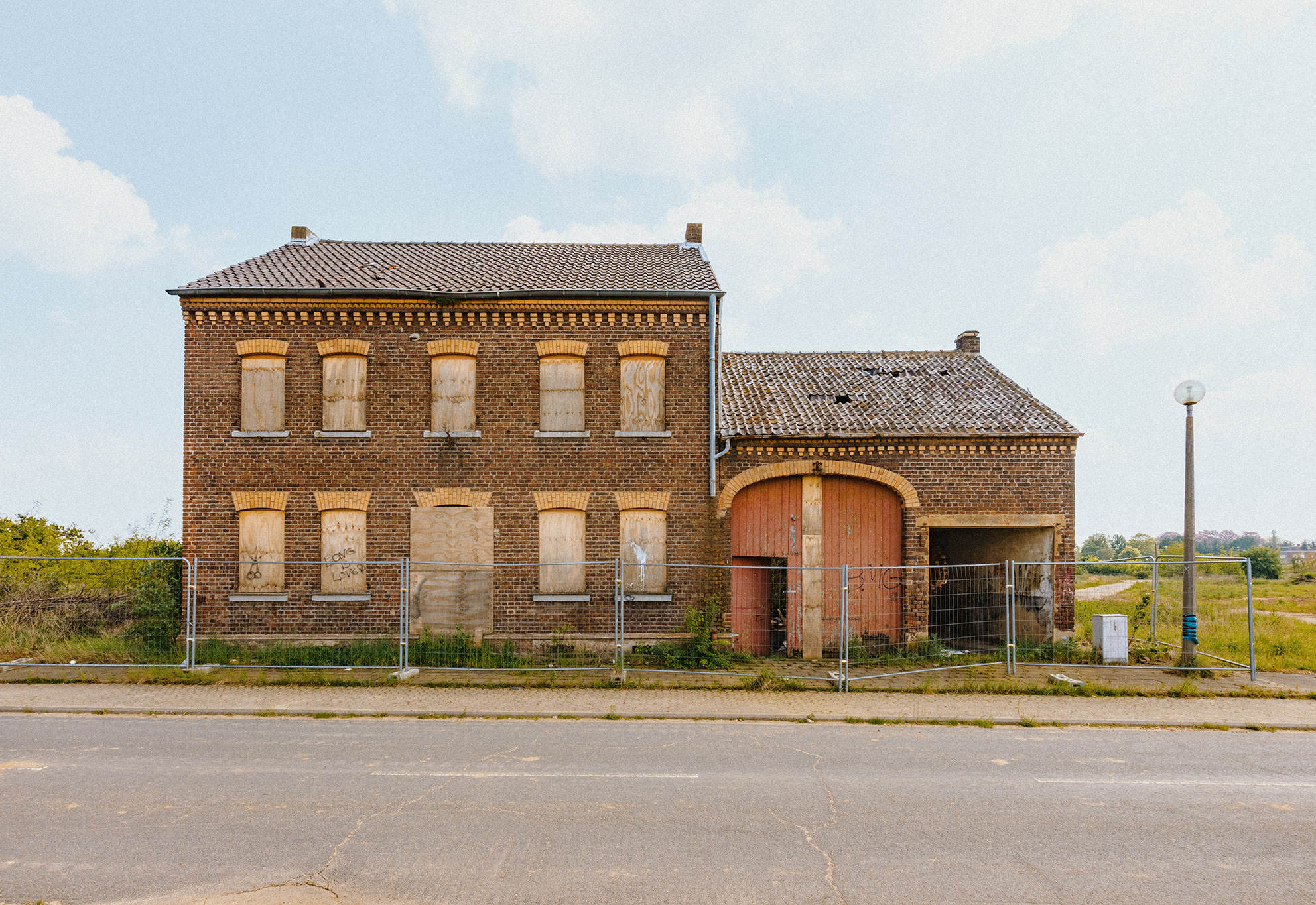
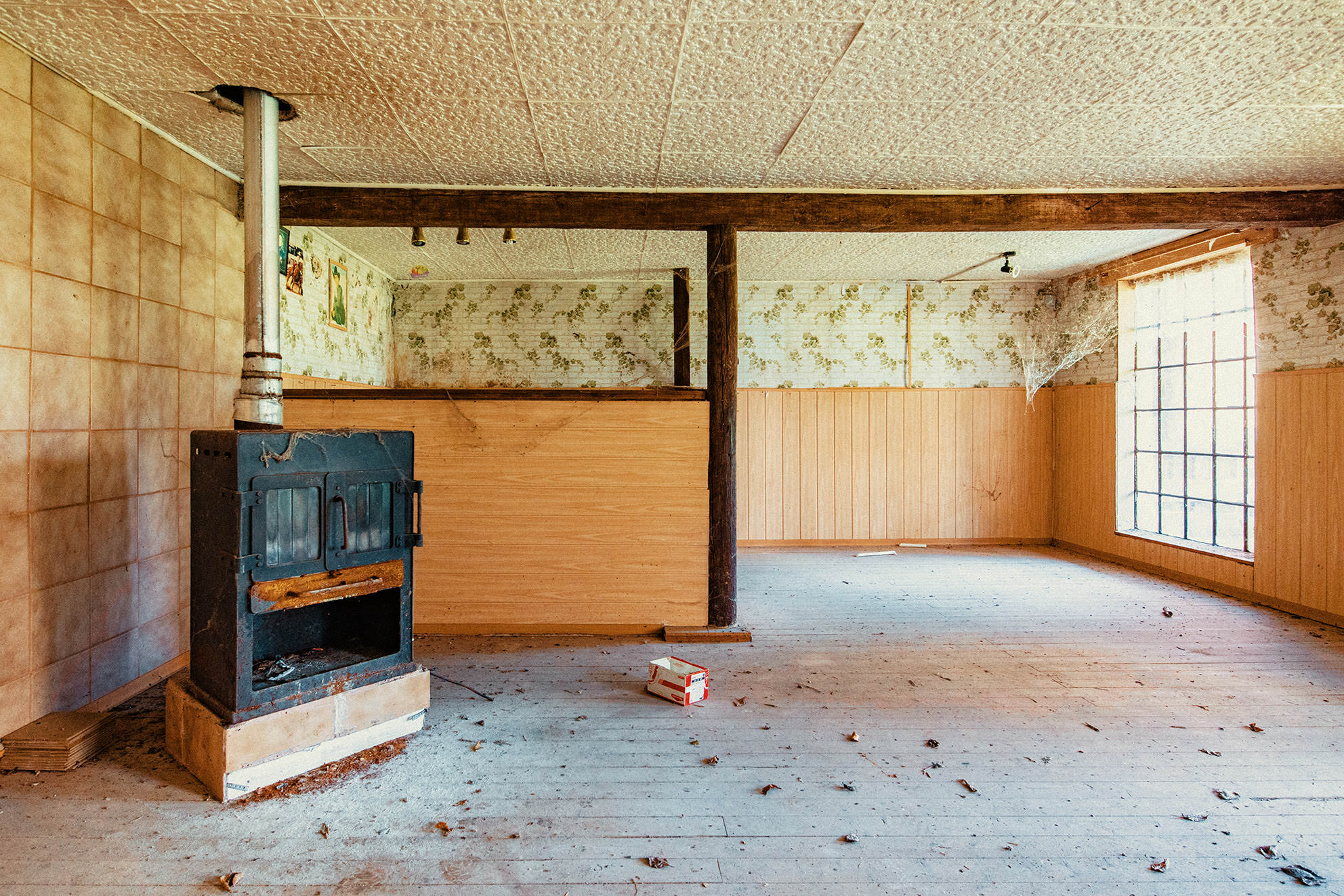
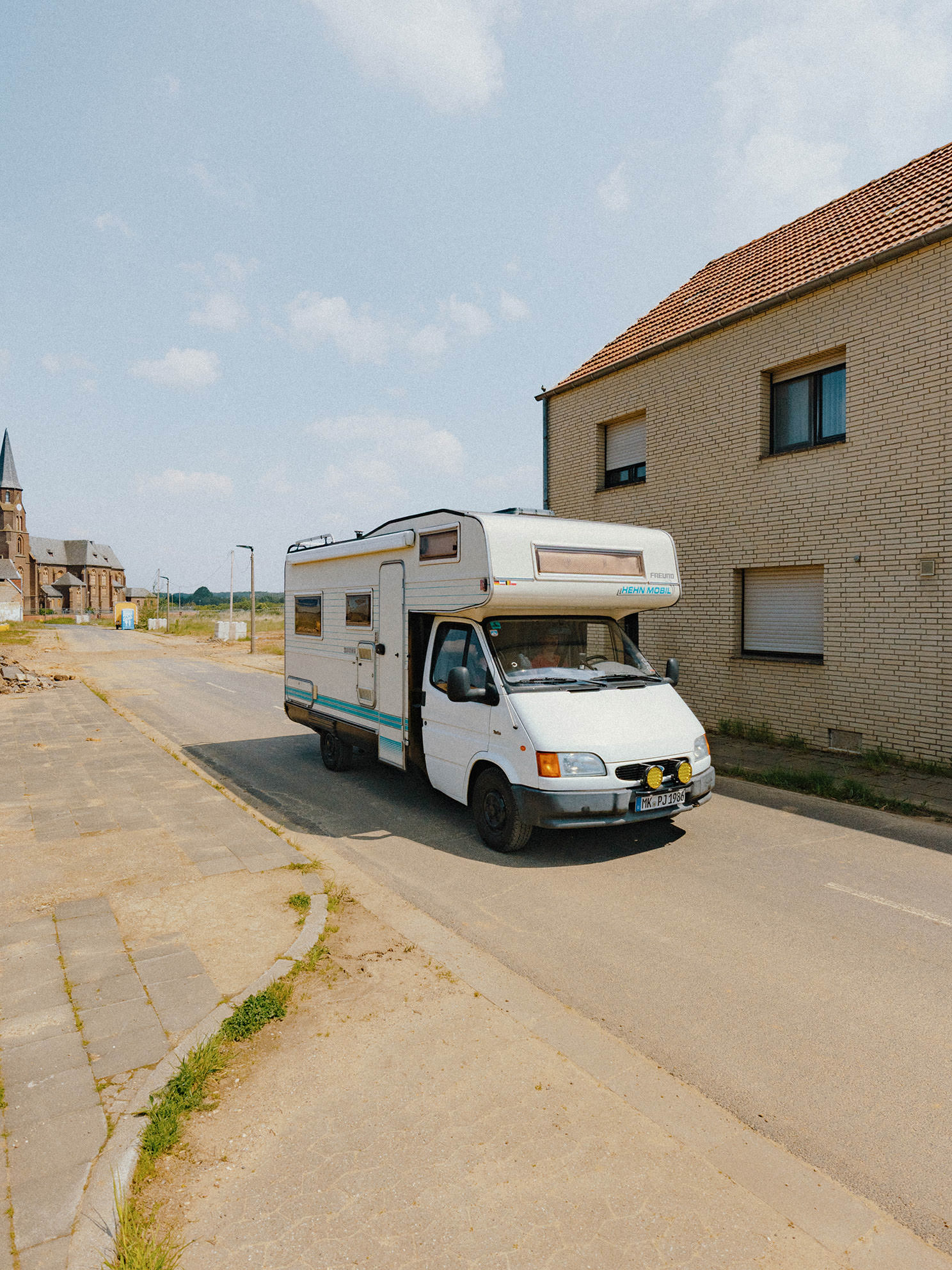
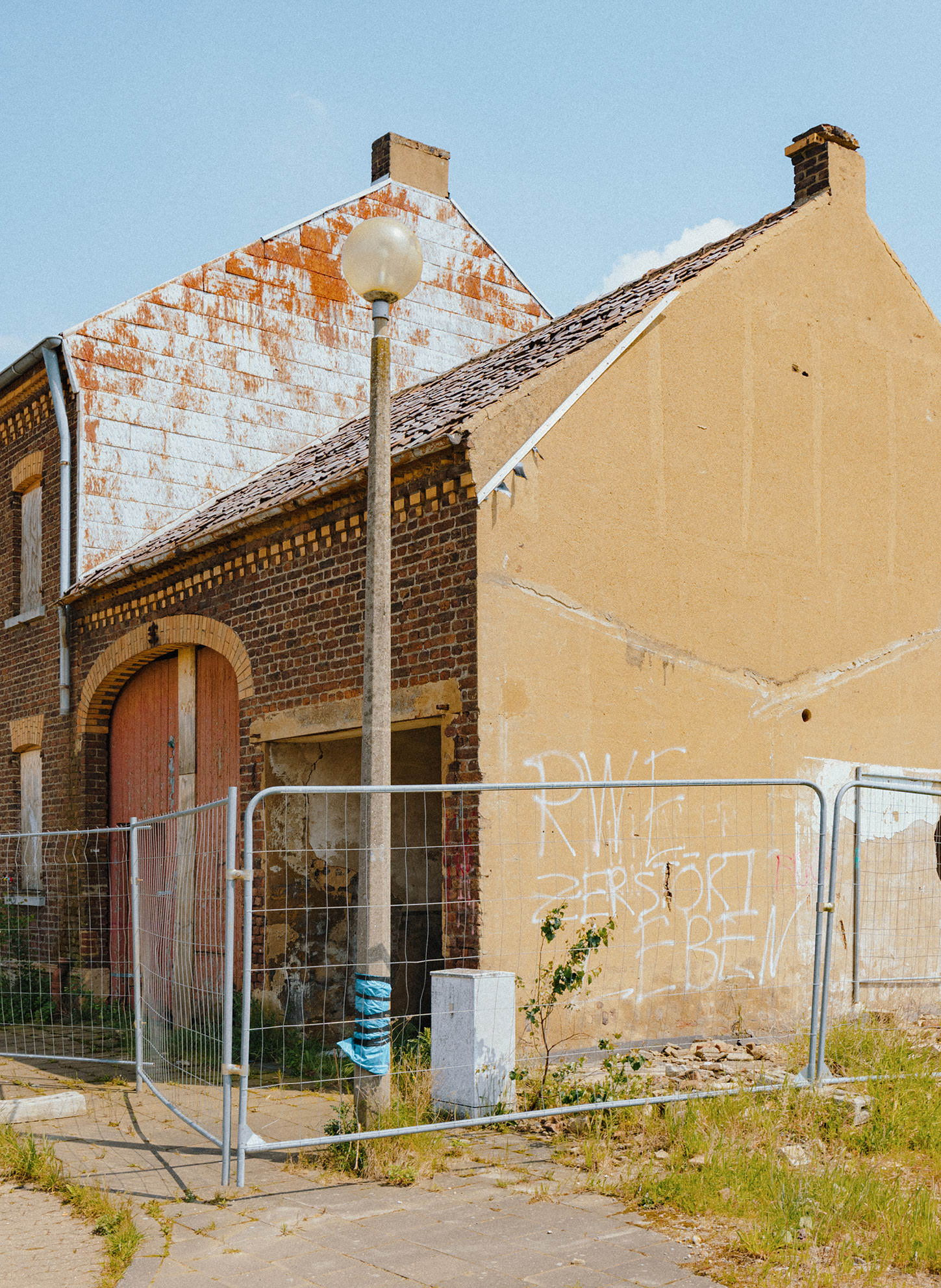
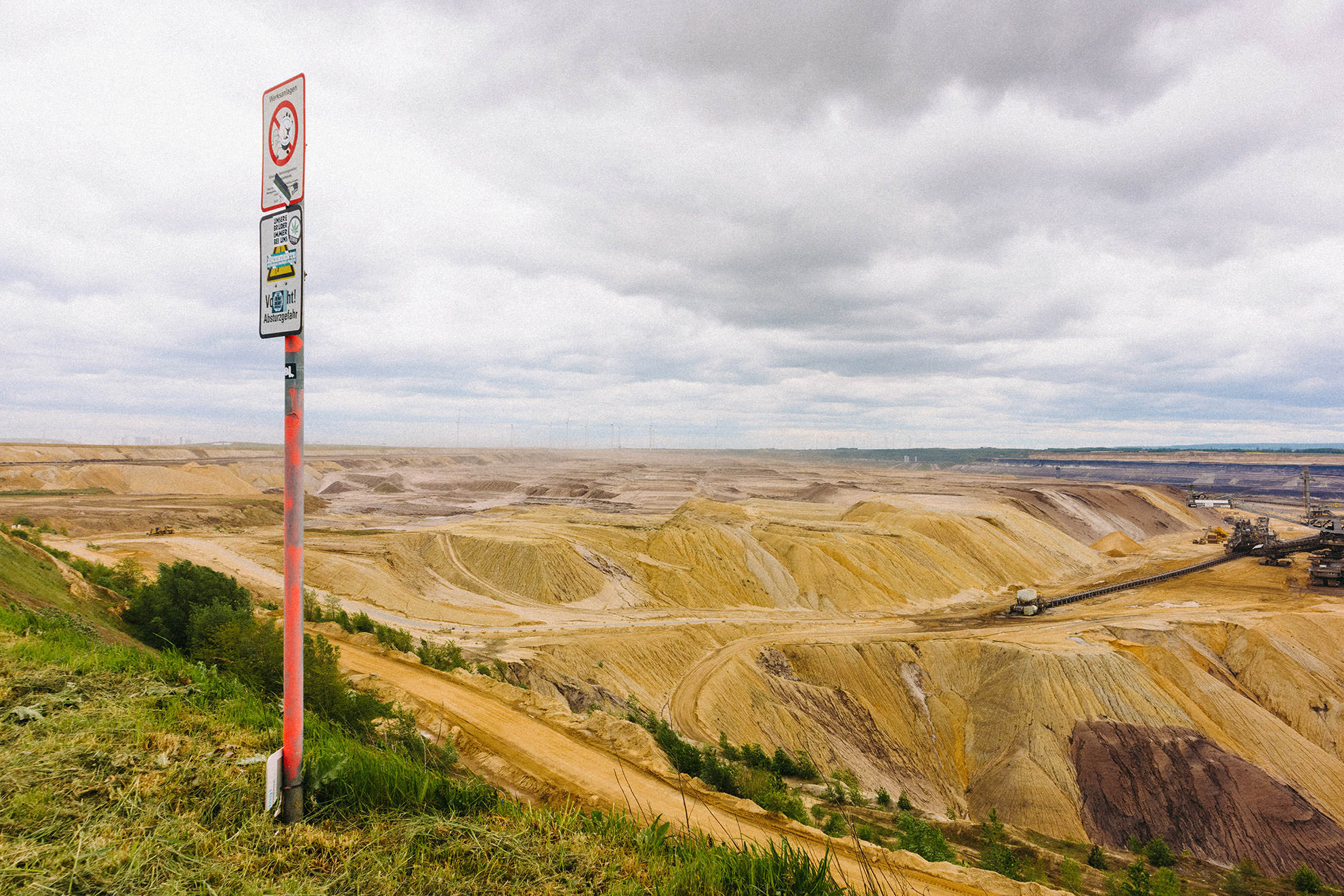
This series of images was taken around the Garzweiler and Hambach open-cast lignite mines in North Rhine-Westphalia, Germany, in 2024. Entire settlements have been designated for removal to allow access to the coal deposits beneath them. Residents were resettled, houses were left behind, the villages stand empty – often for years – before excavation begins. In some cases, individuals remain, resisting displacement and contesting the erasure of their homes. The Hambach mine, one of the largest open-cast sites in Europe, extends for around 9 kilometres and reaches depths of up to 400 metres. Its excavators, among the largest machines ever built, measure approximately 220 metres in length and 100 metres in height, defining both the scale and the inevitability of this transformation. Lignite, the resource driving this process, is also one of the most carbon-intensive forms of energy.
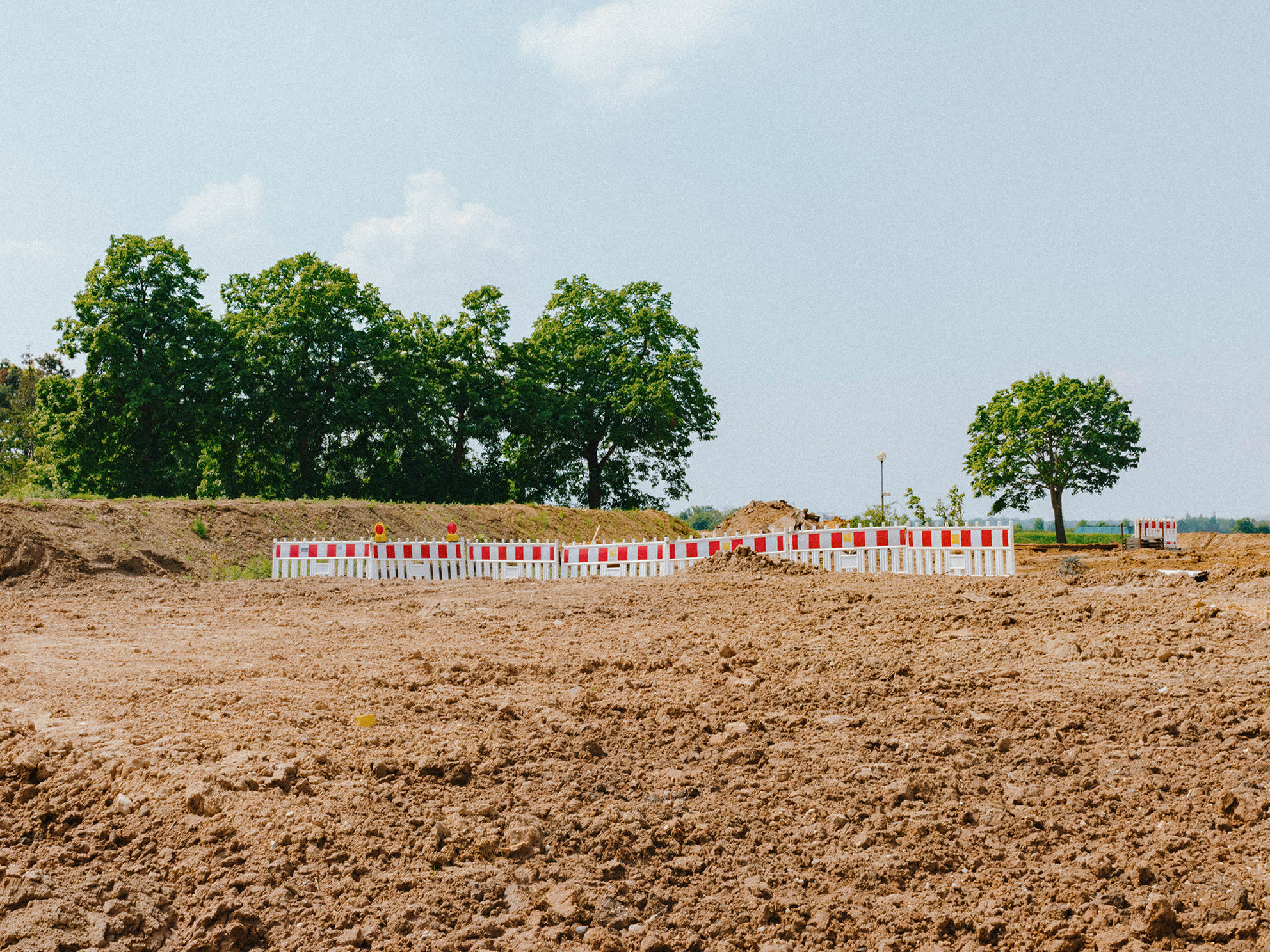
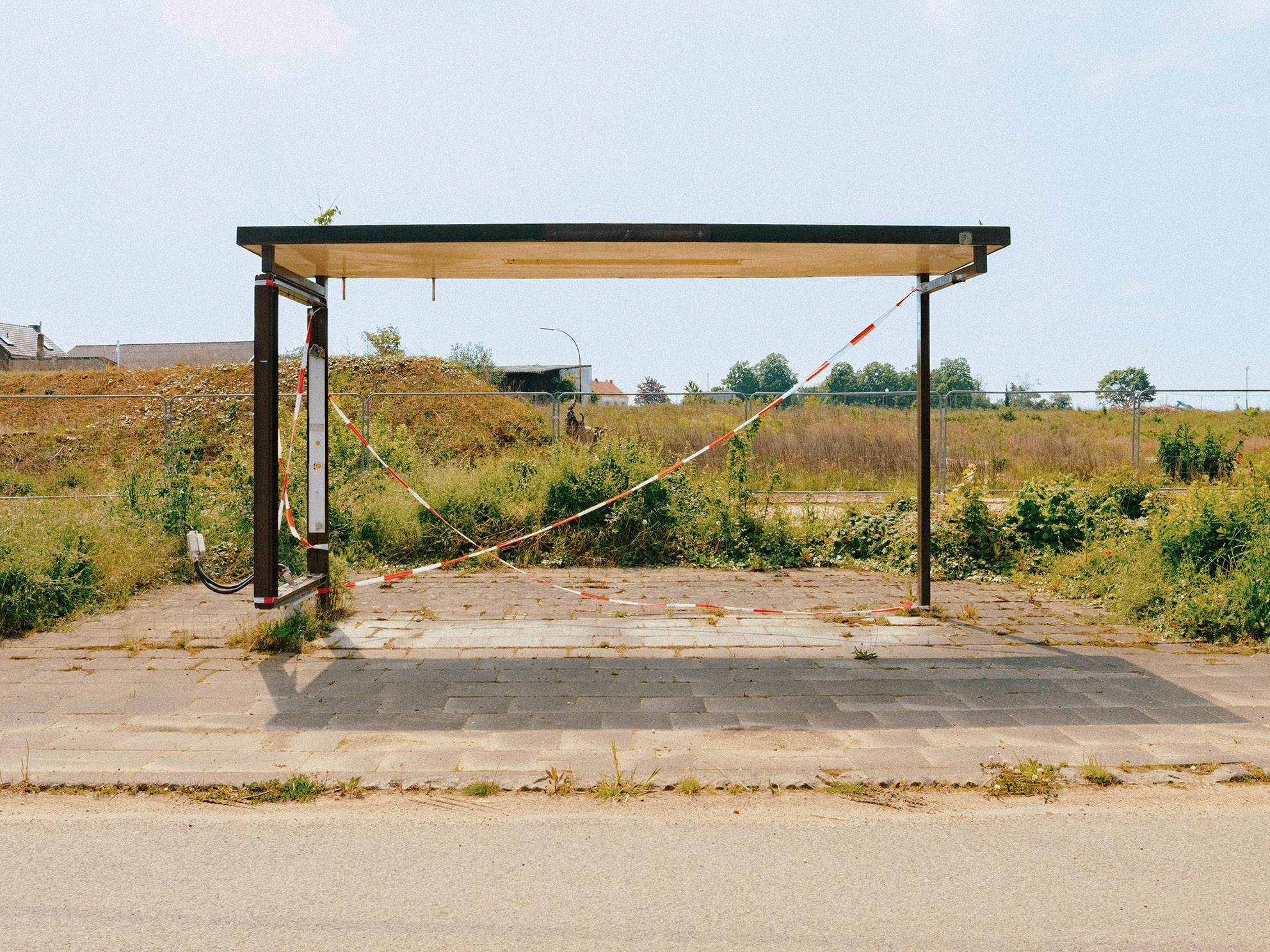
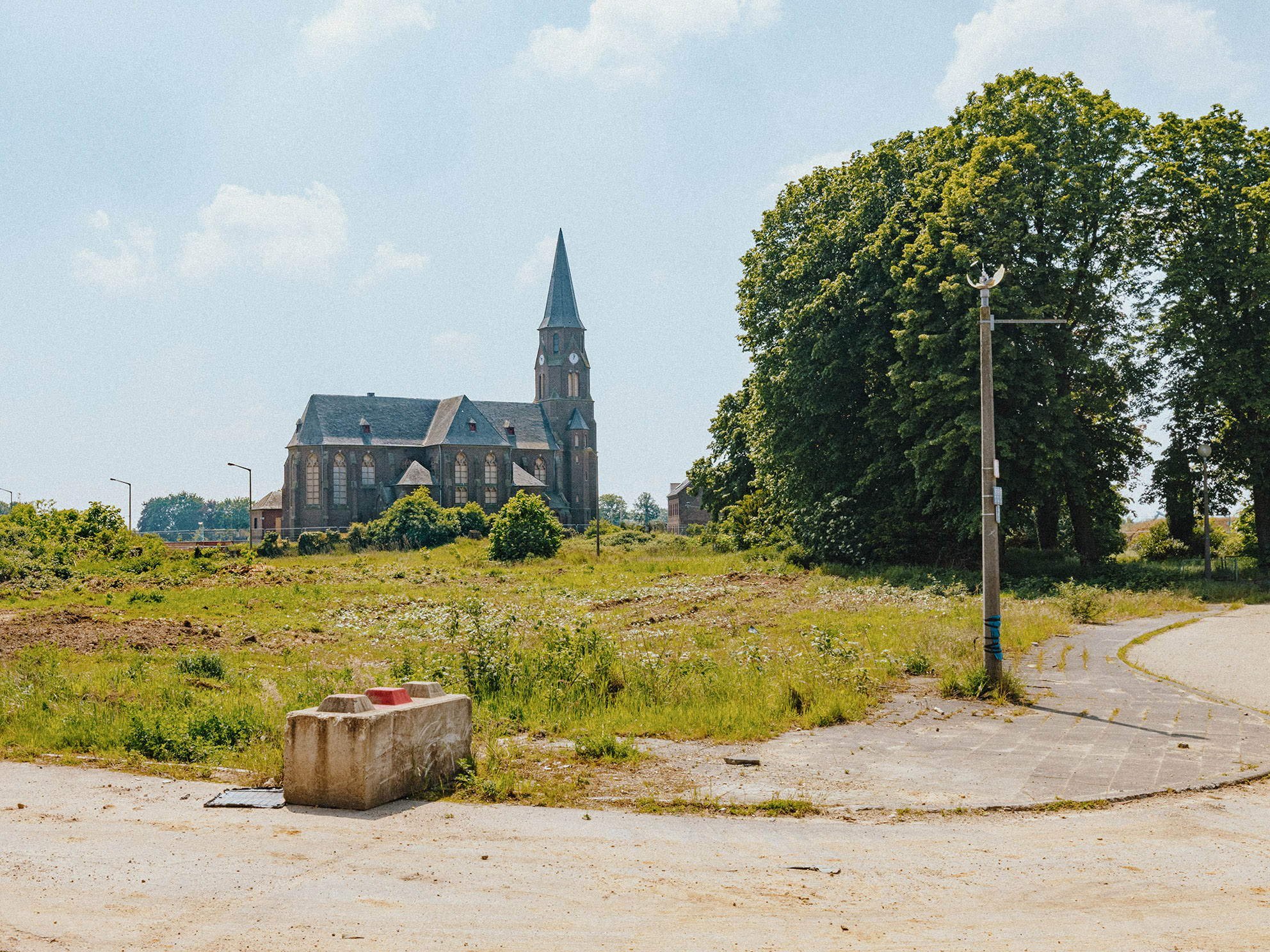
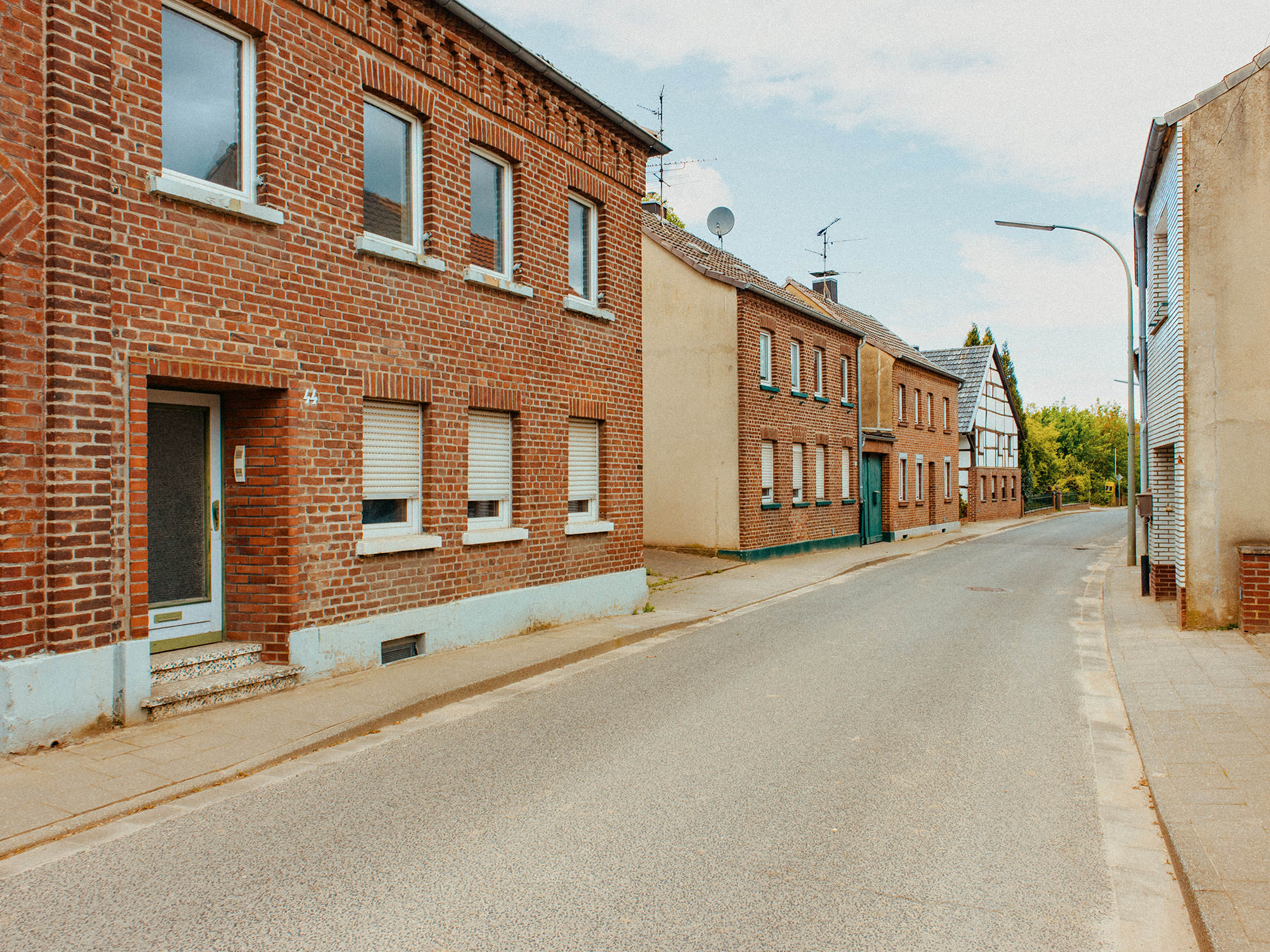
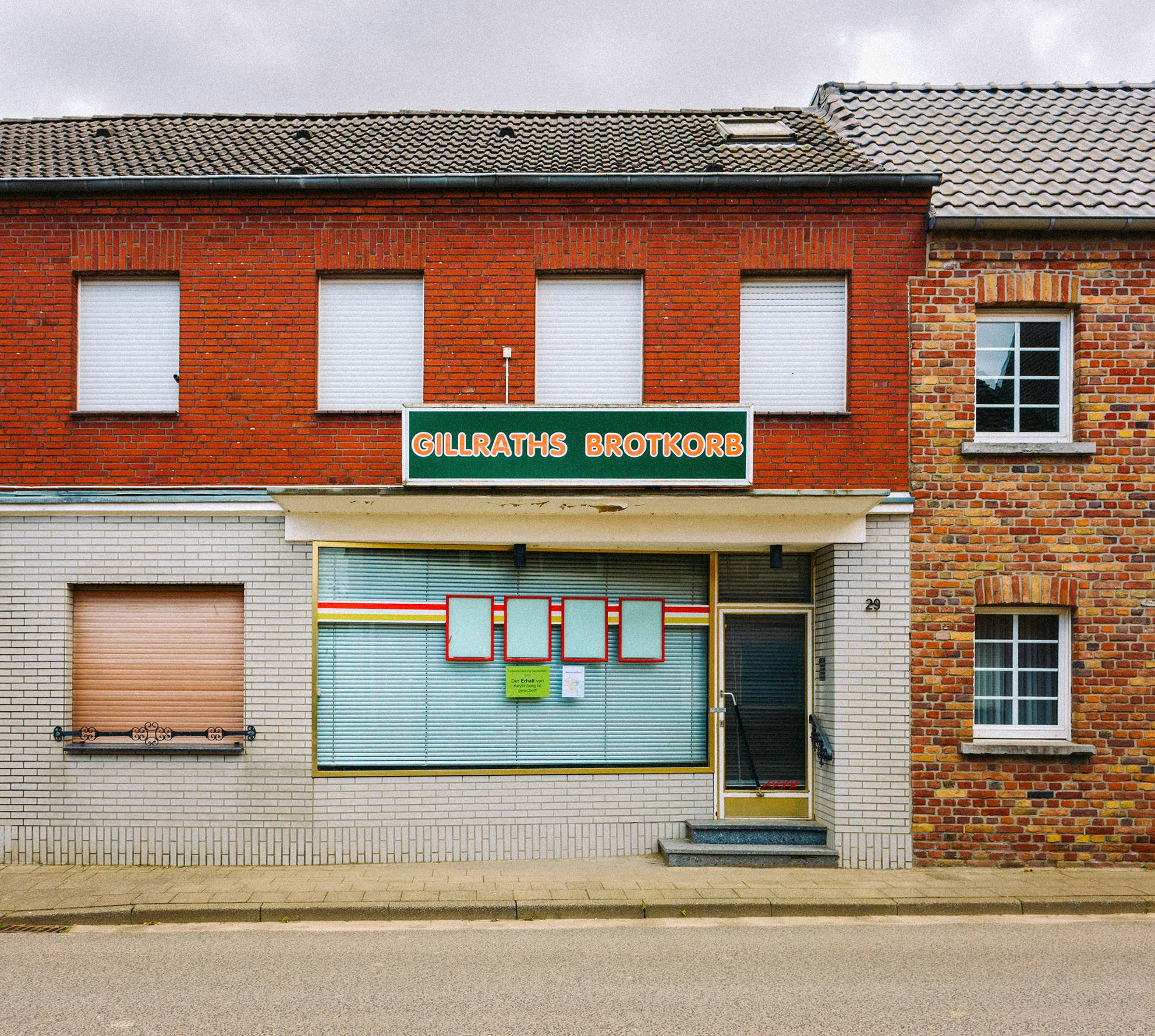
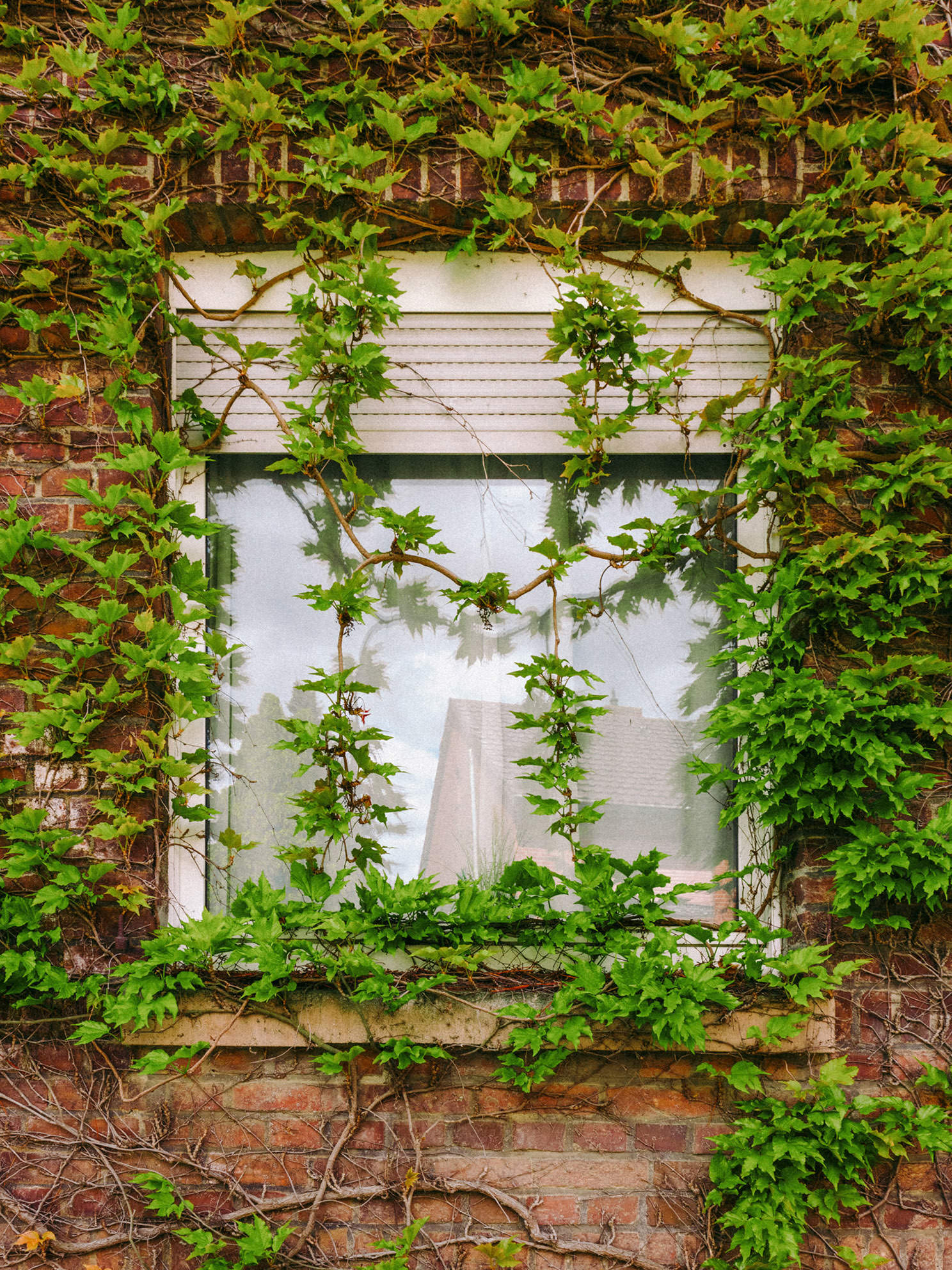
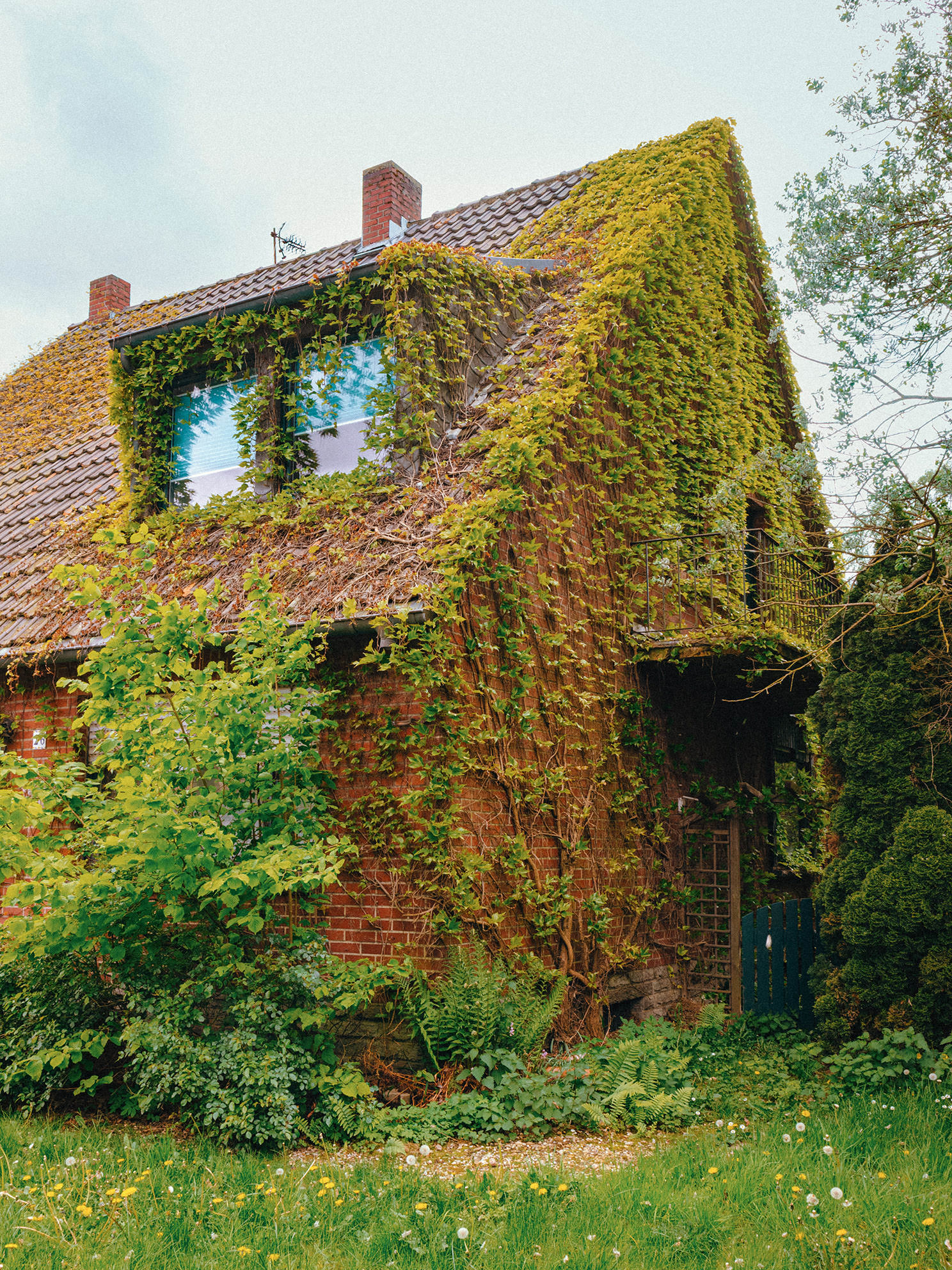
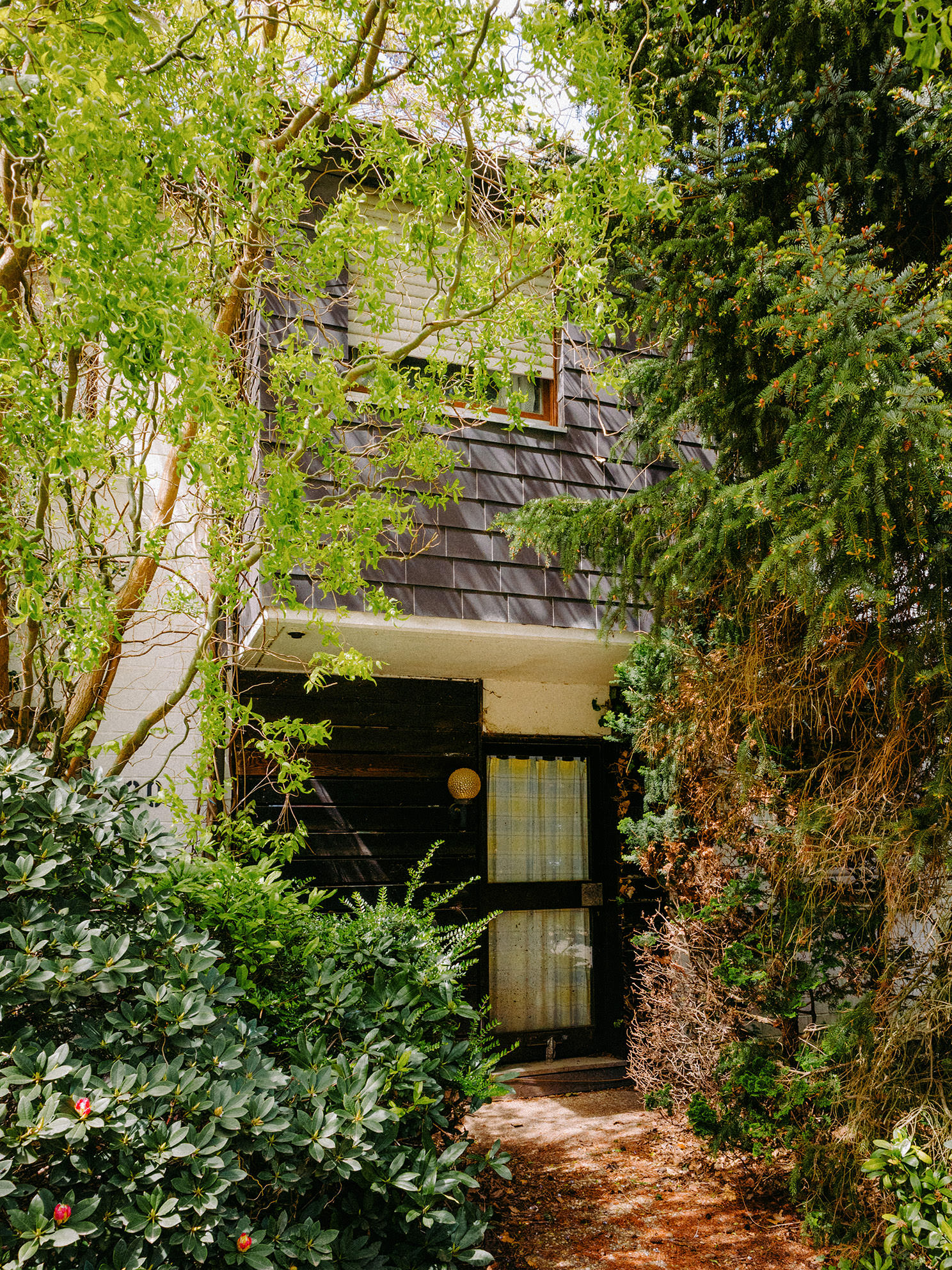
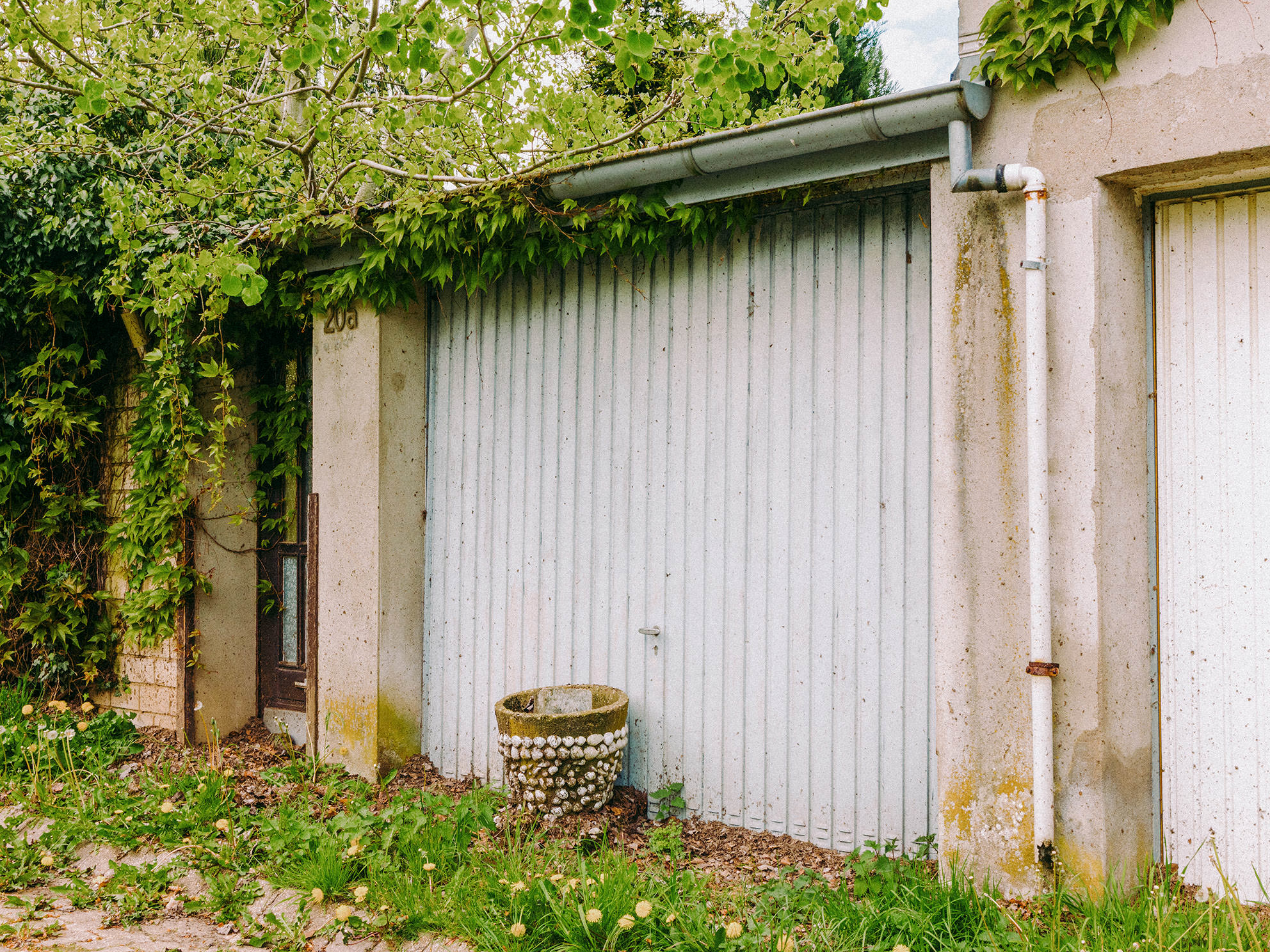
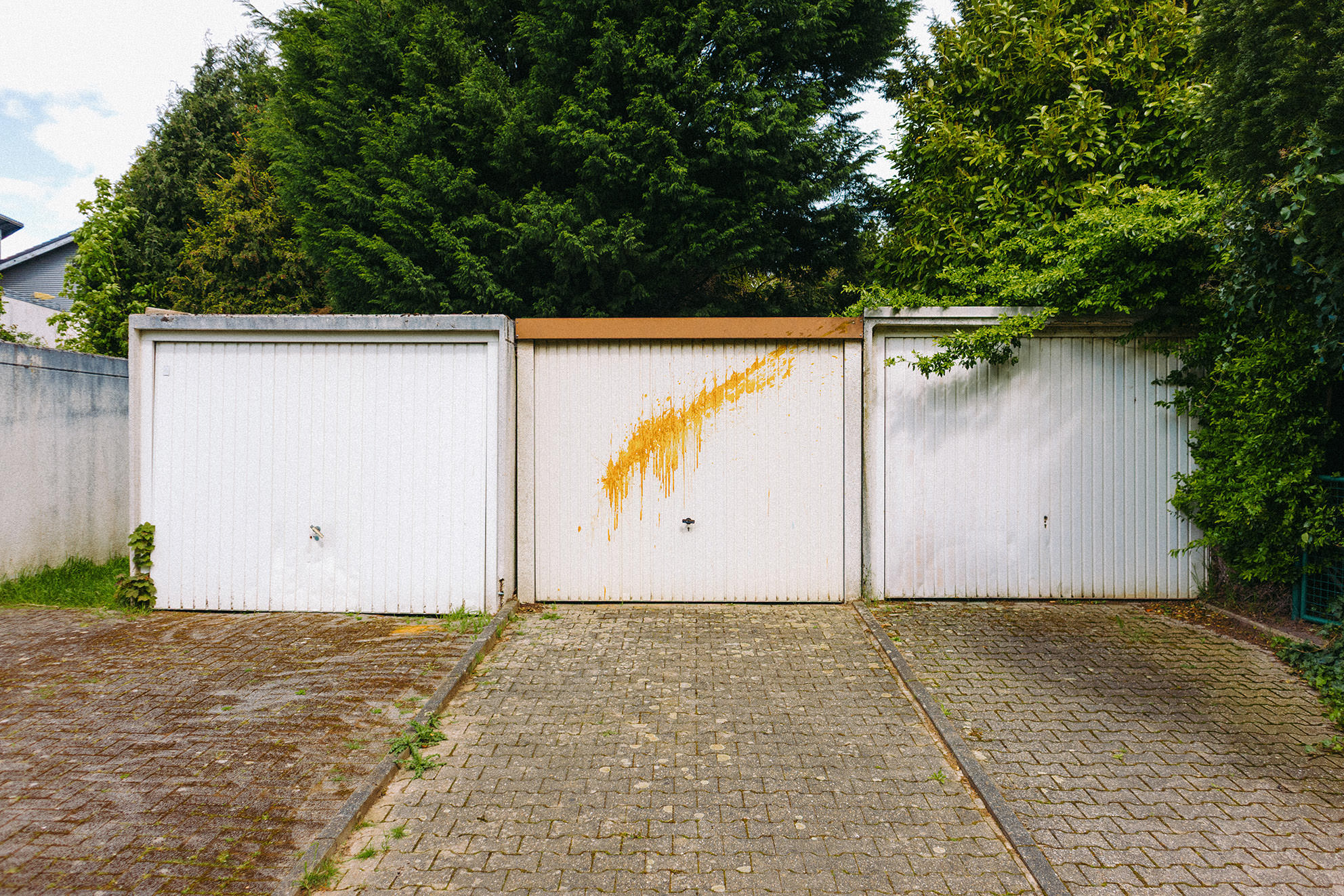
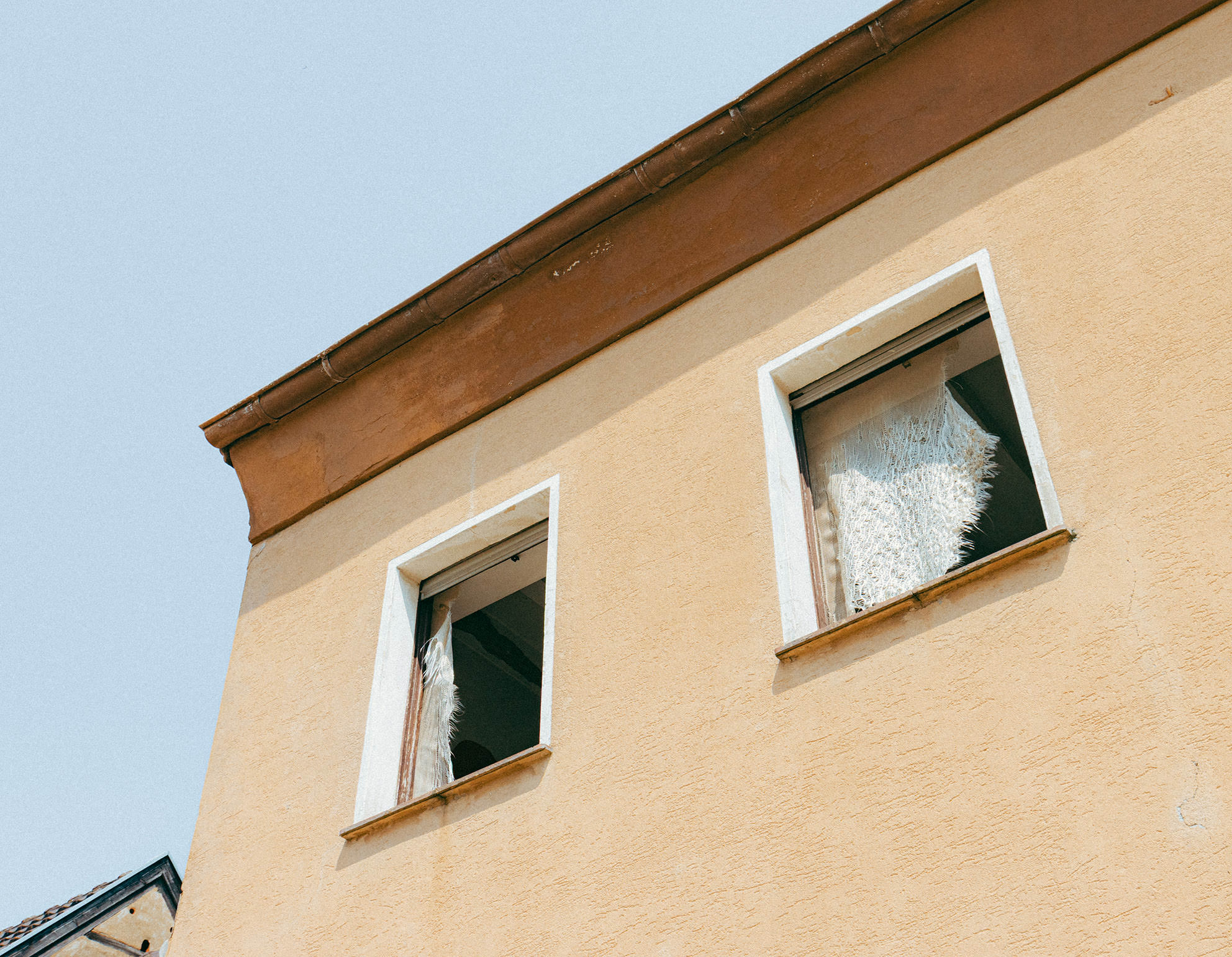
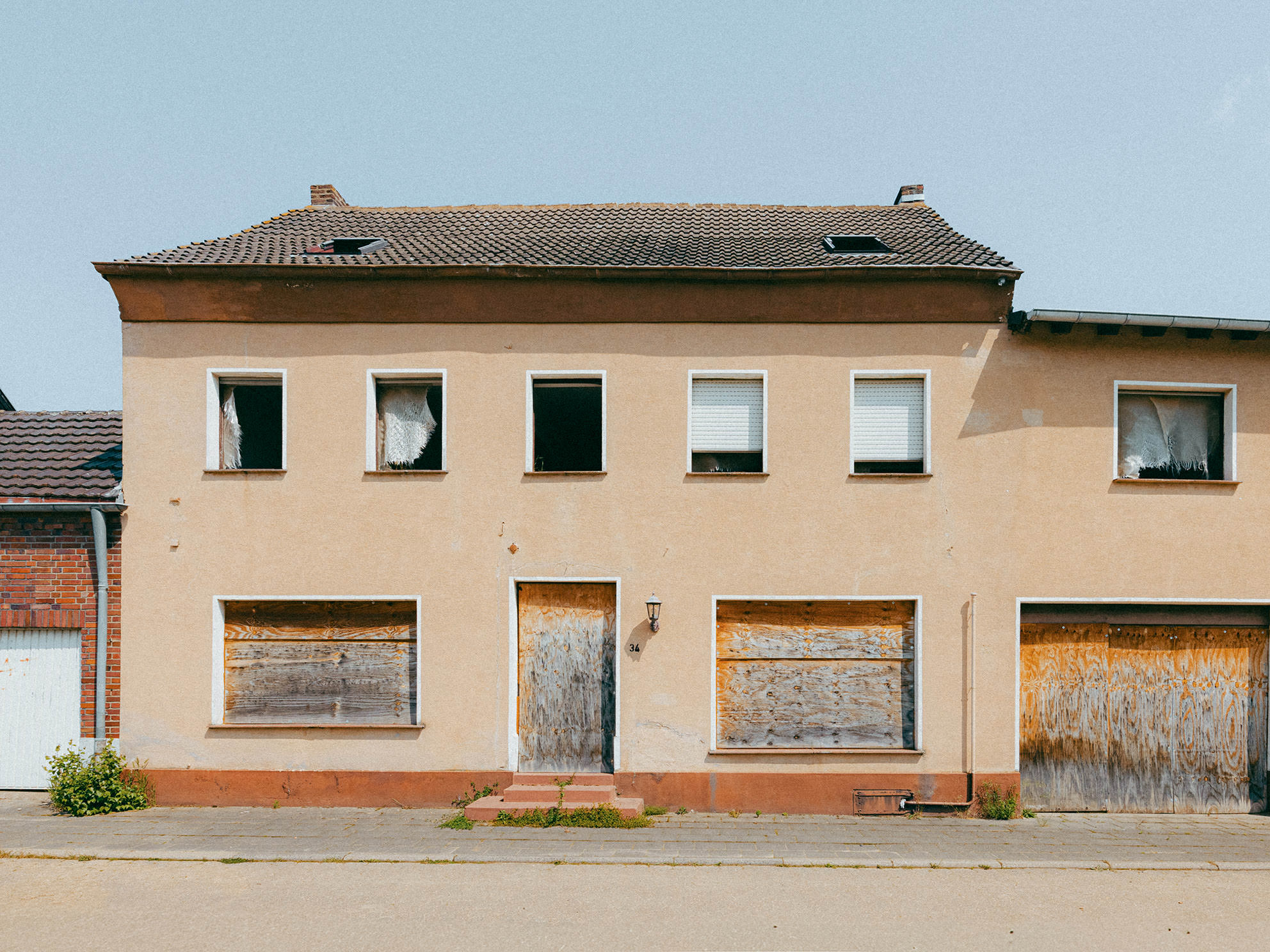
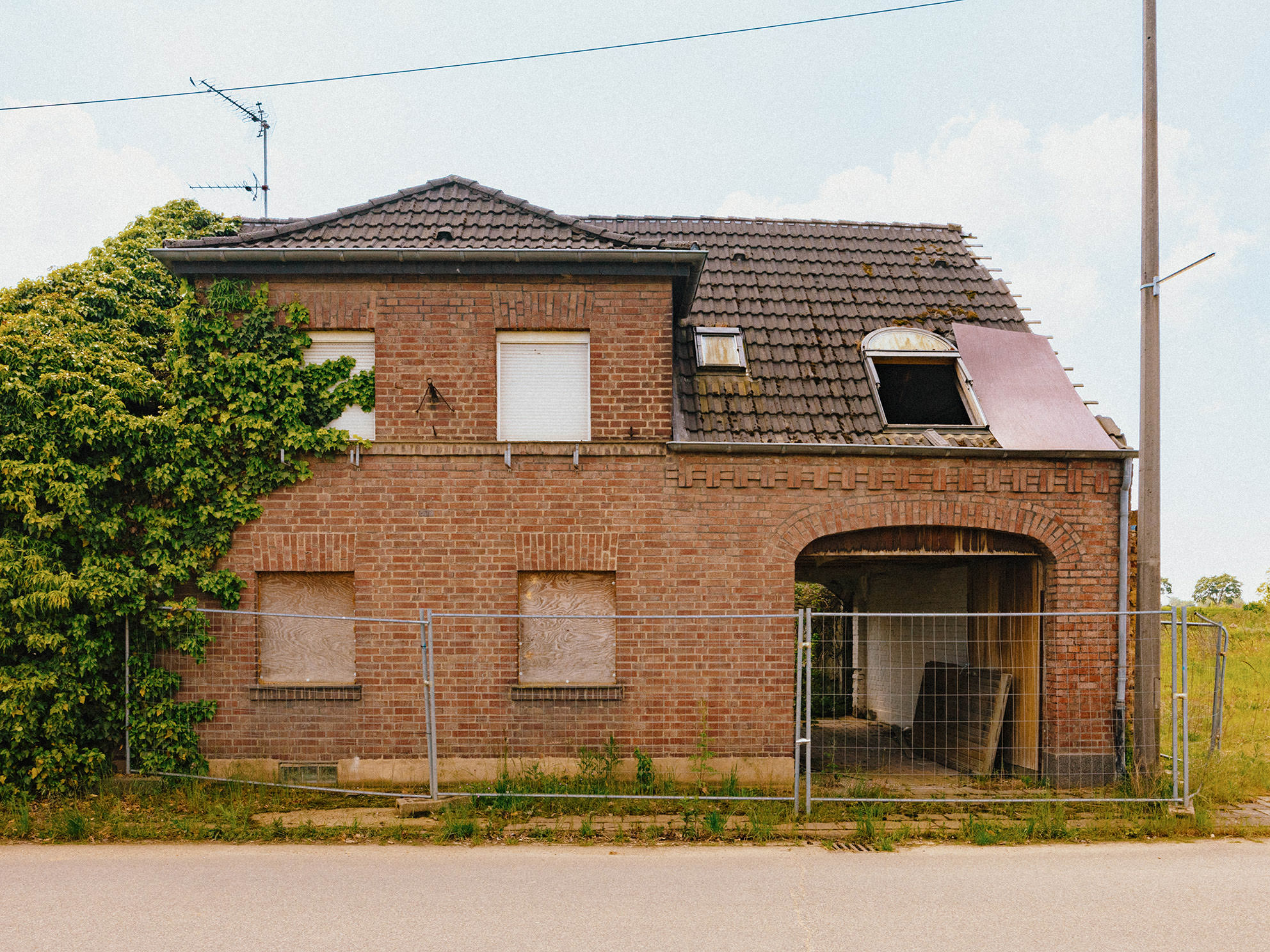
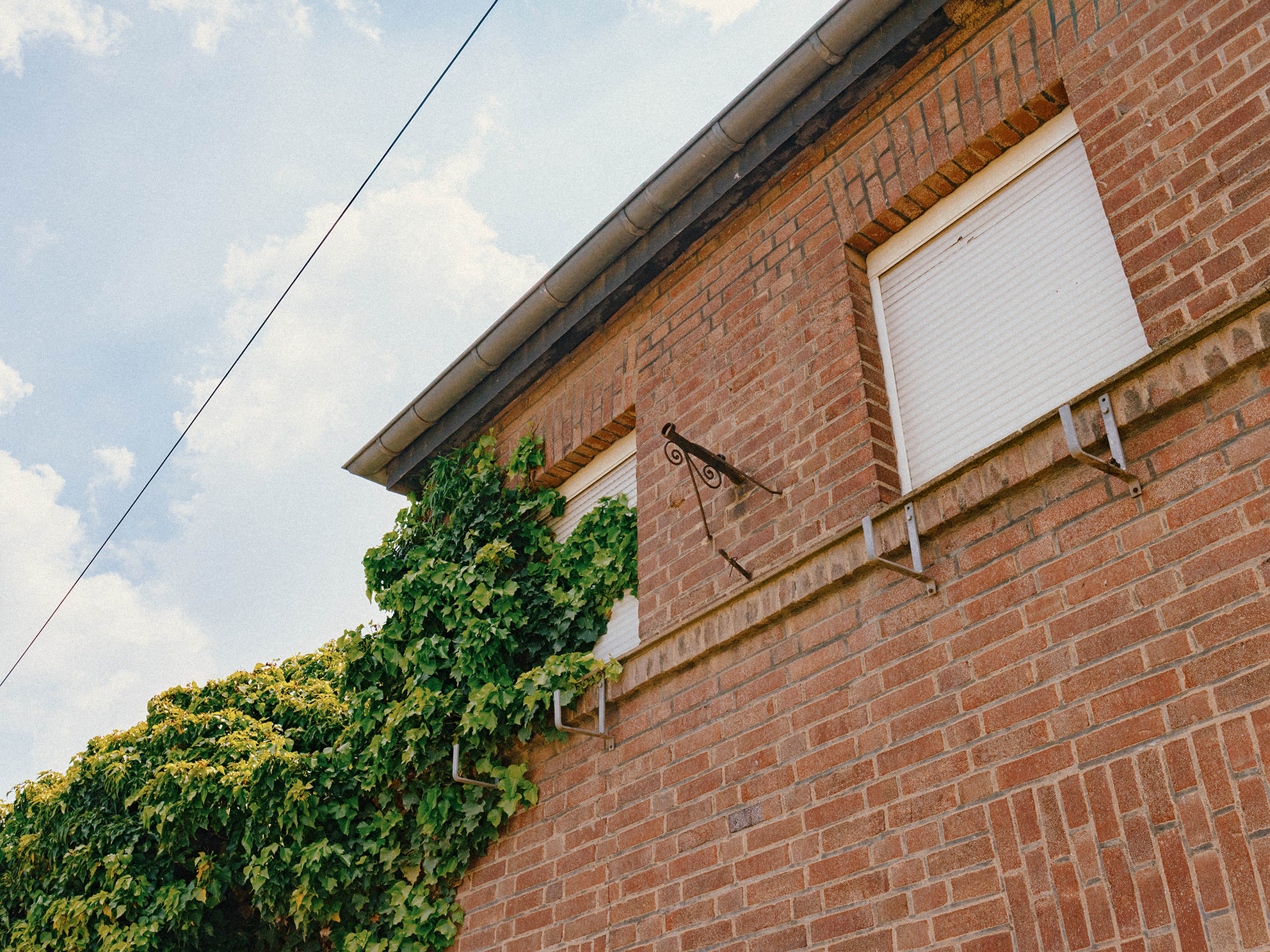
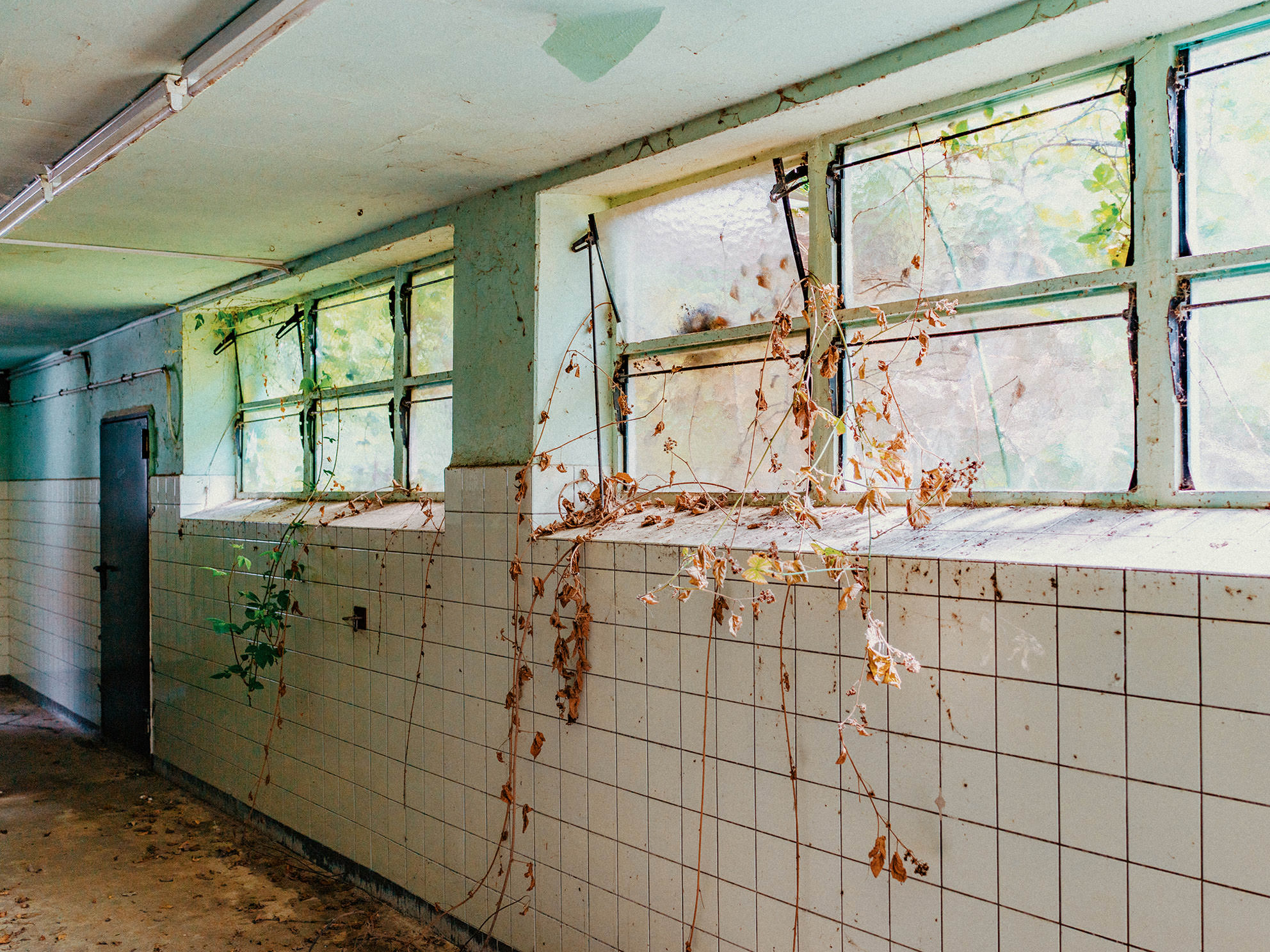
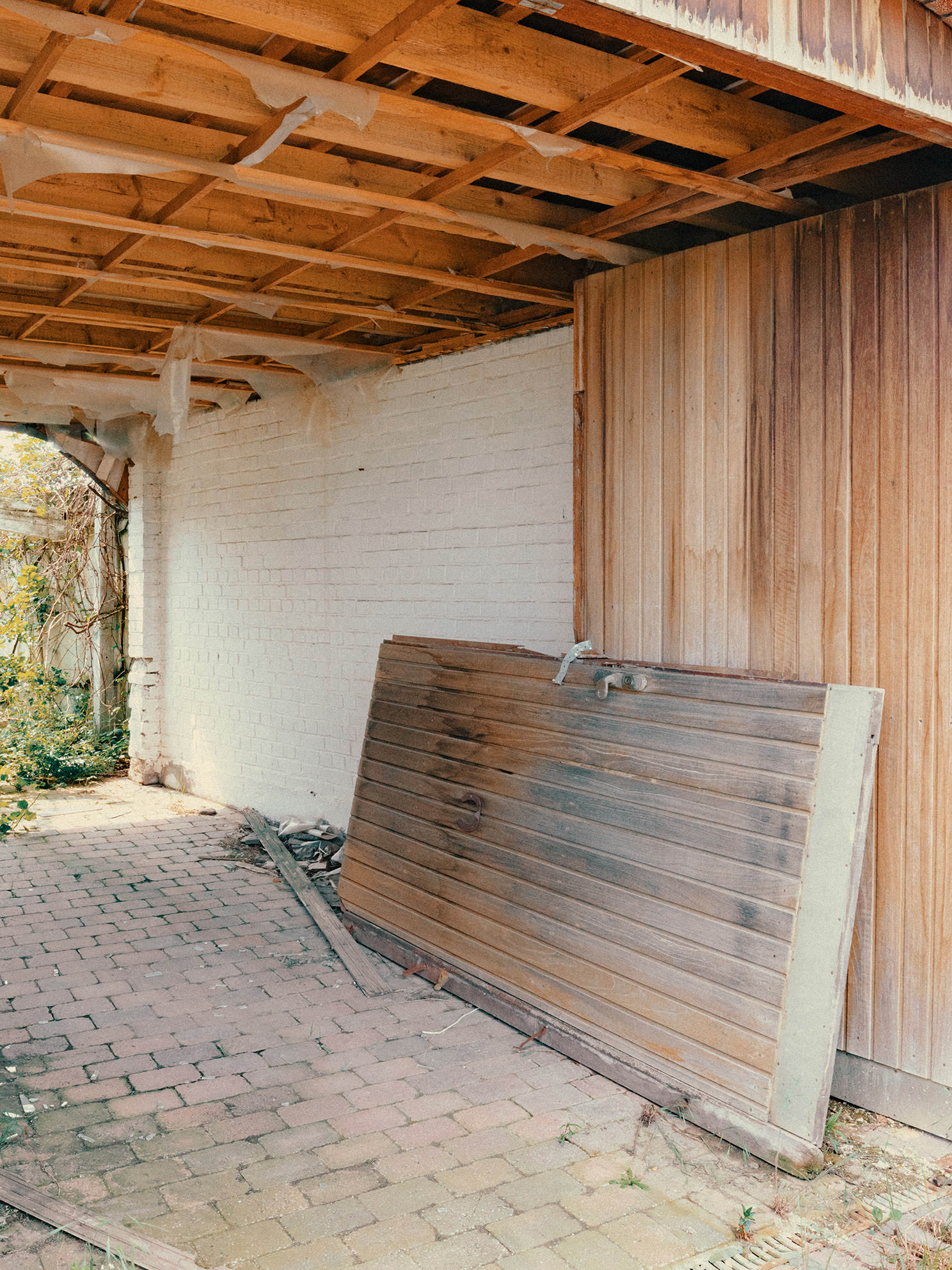
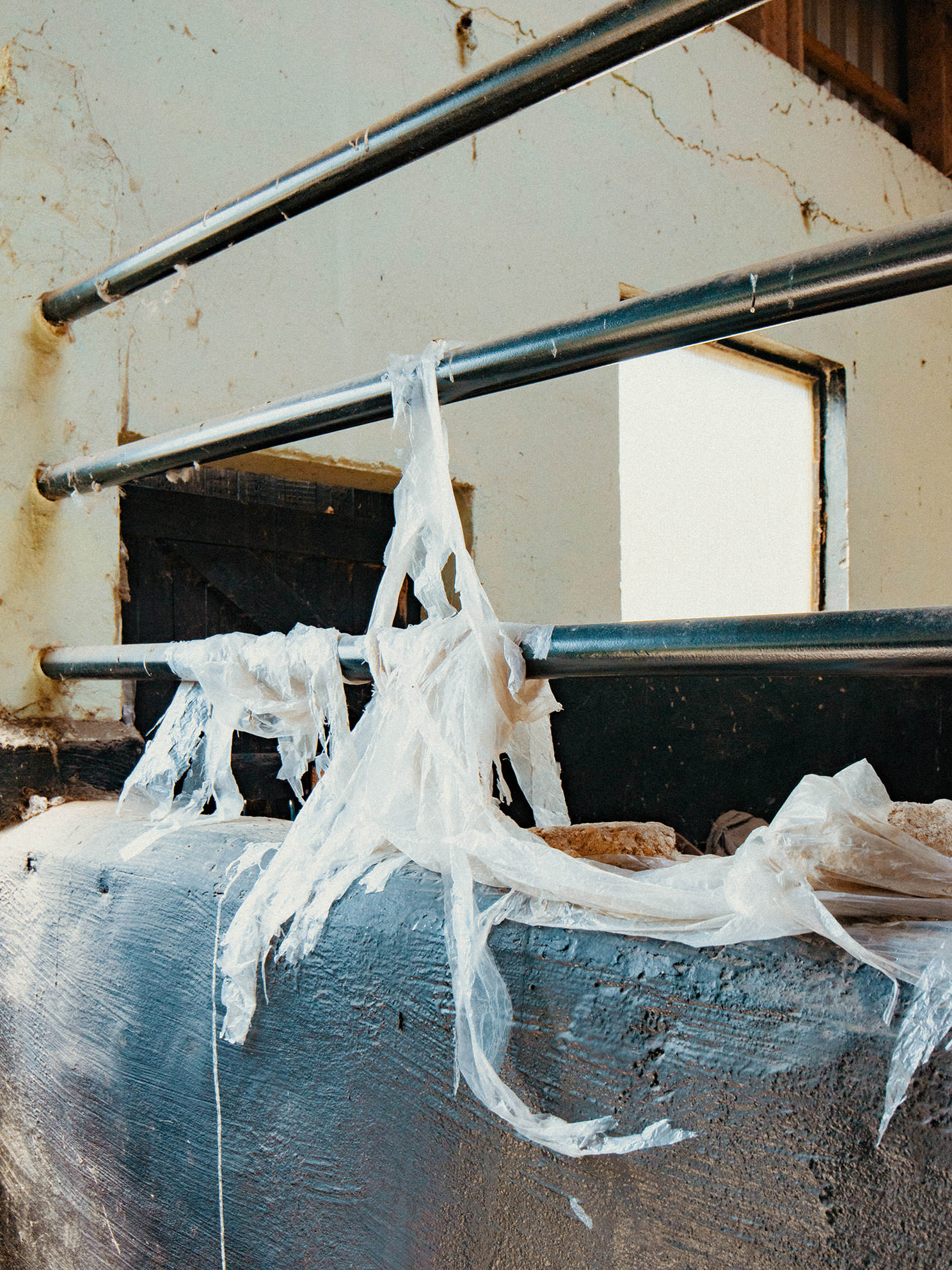
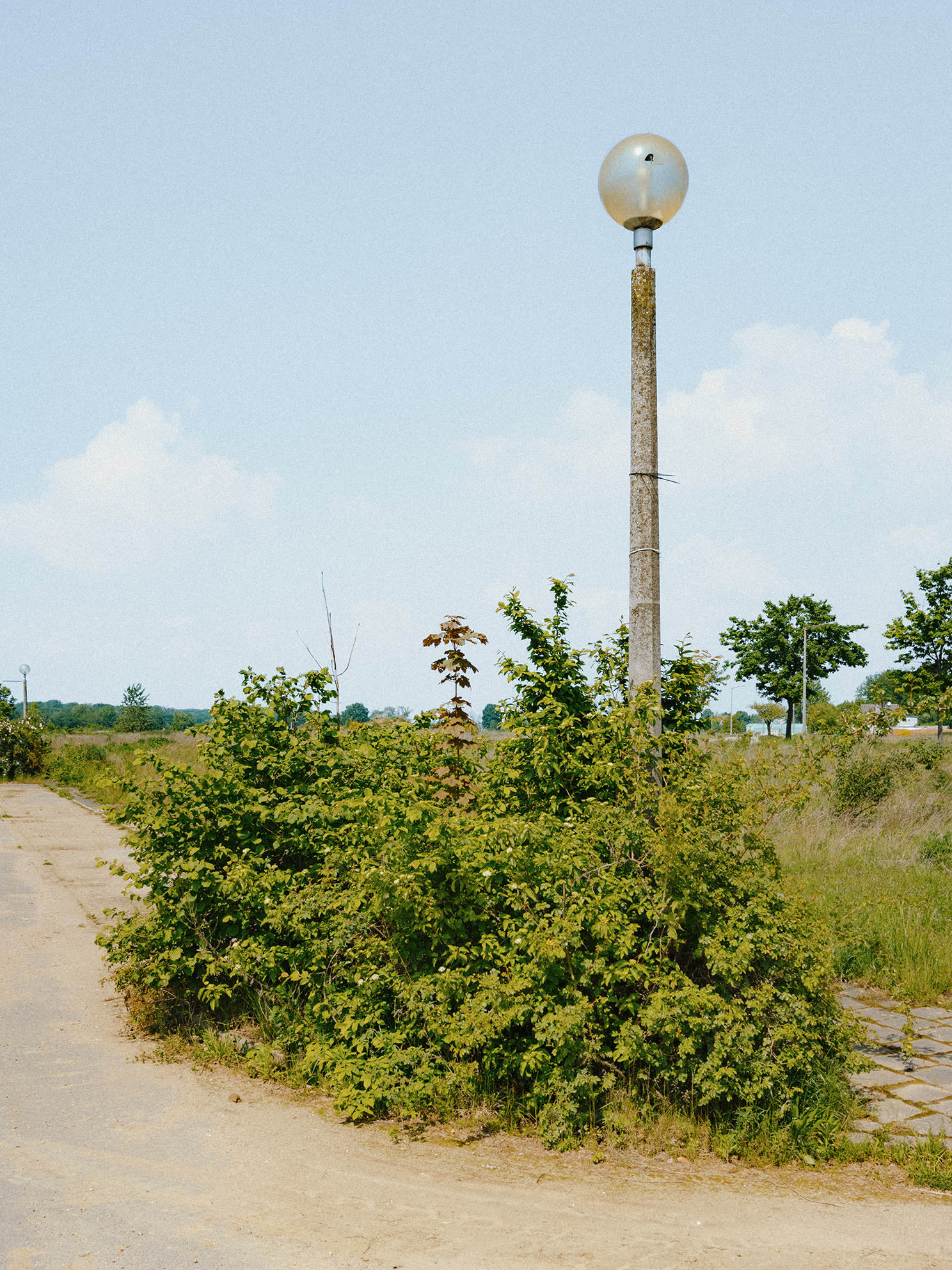
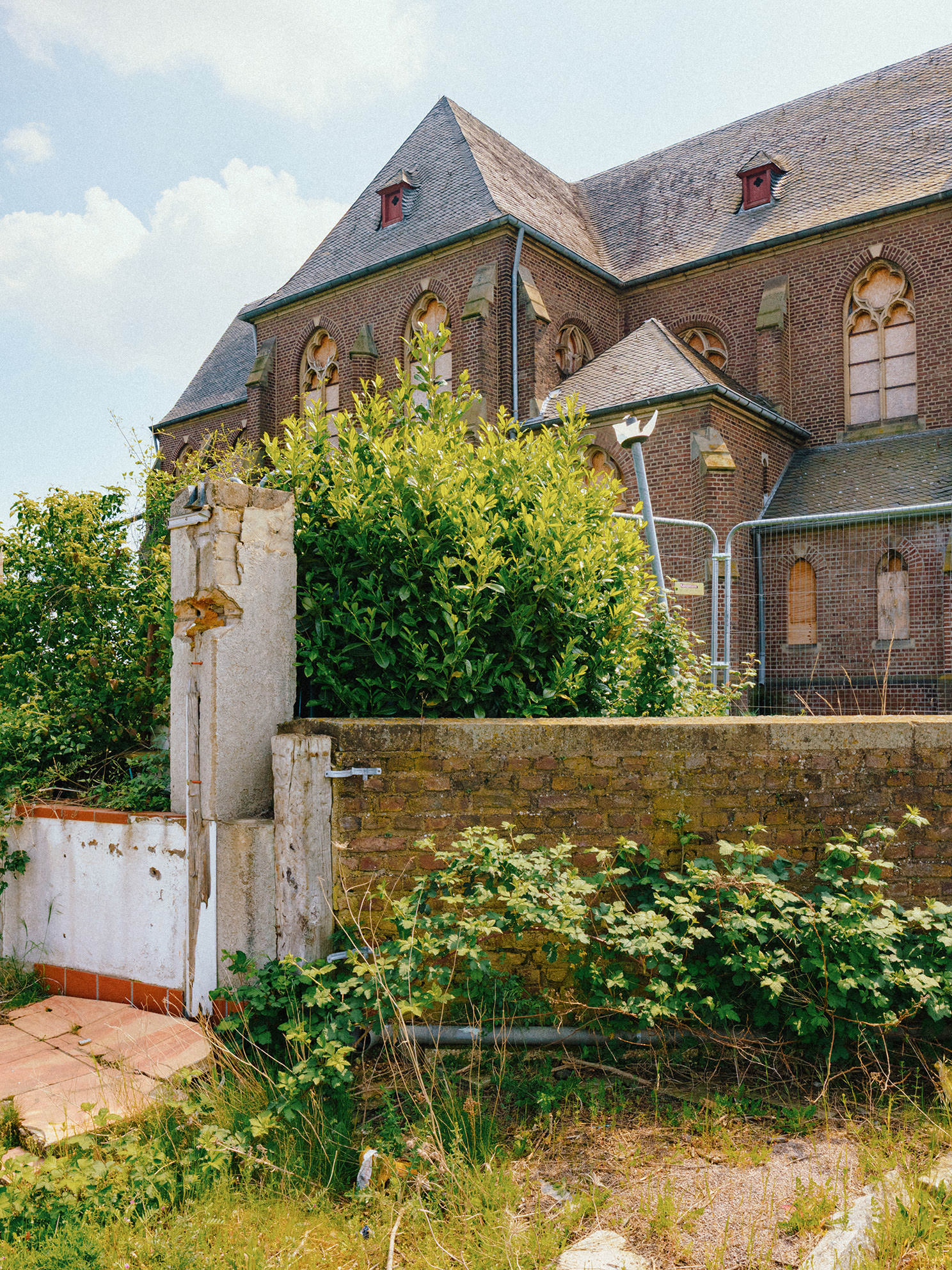
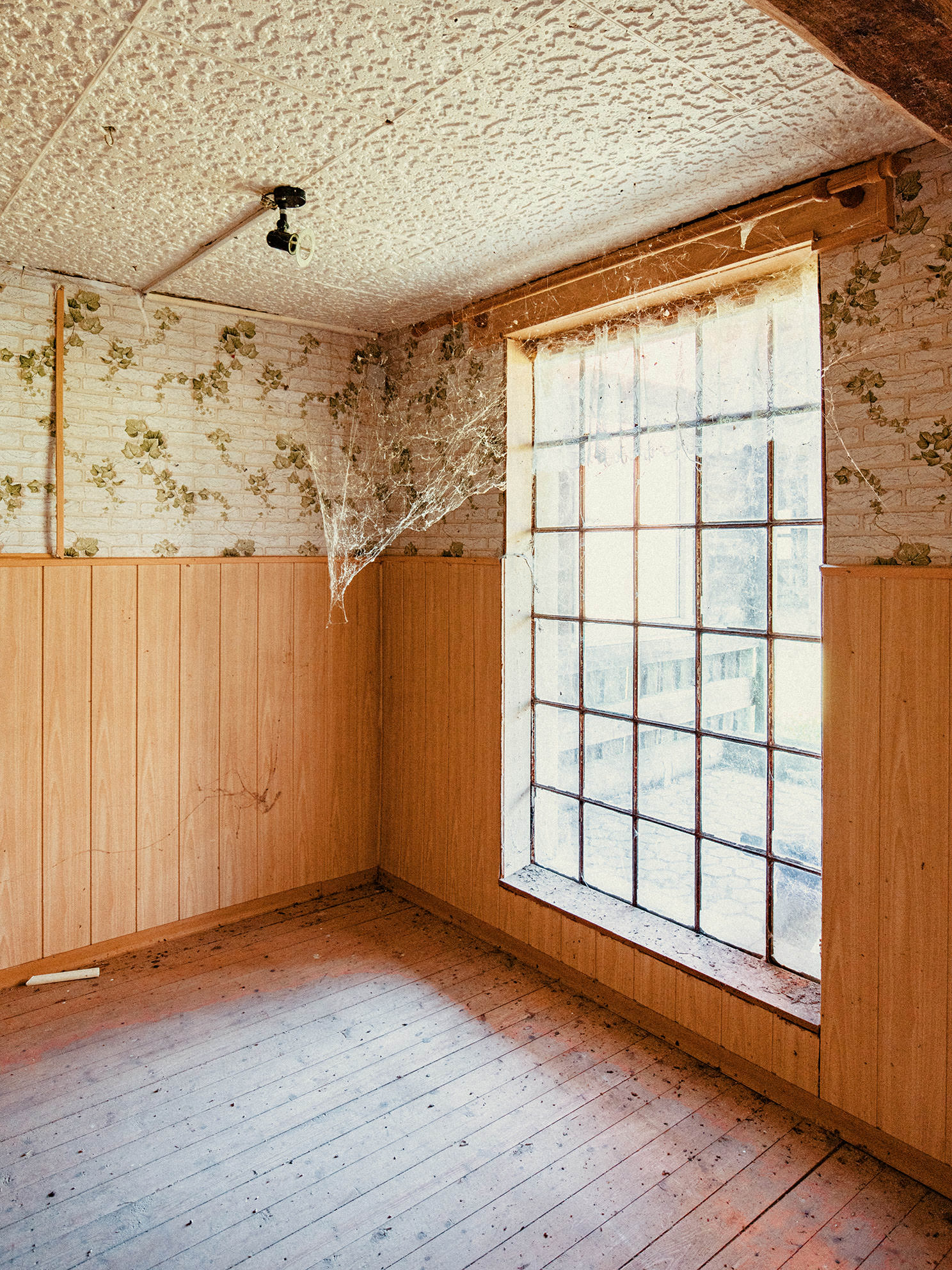
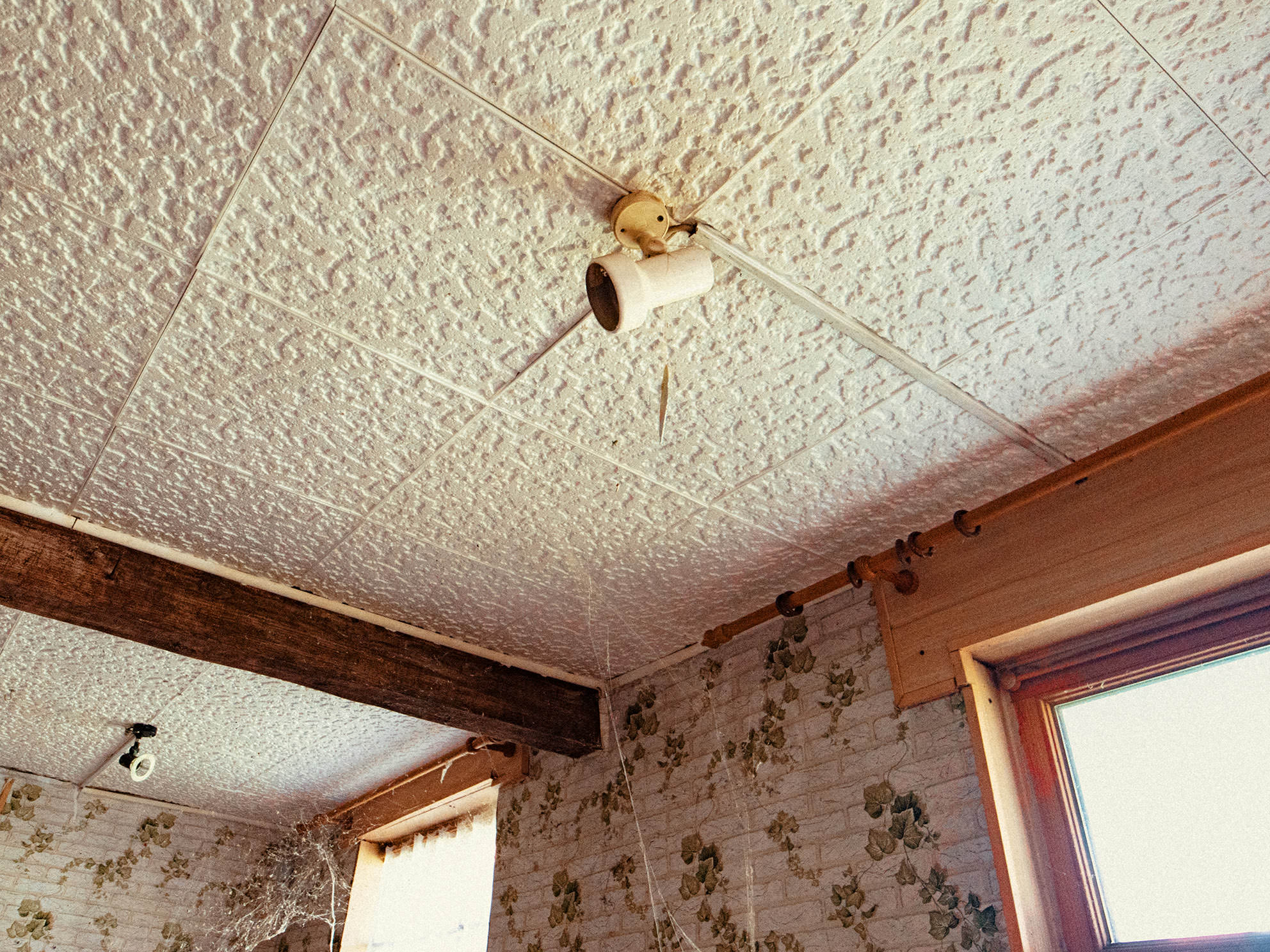
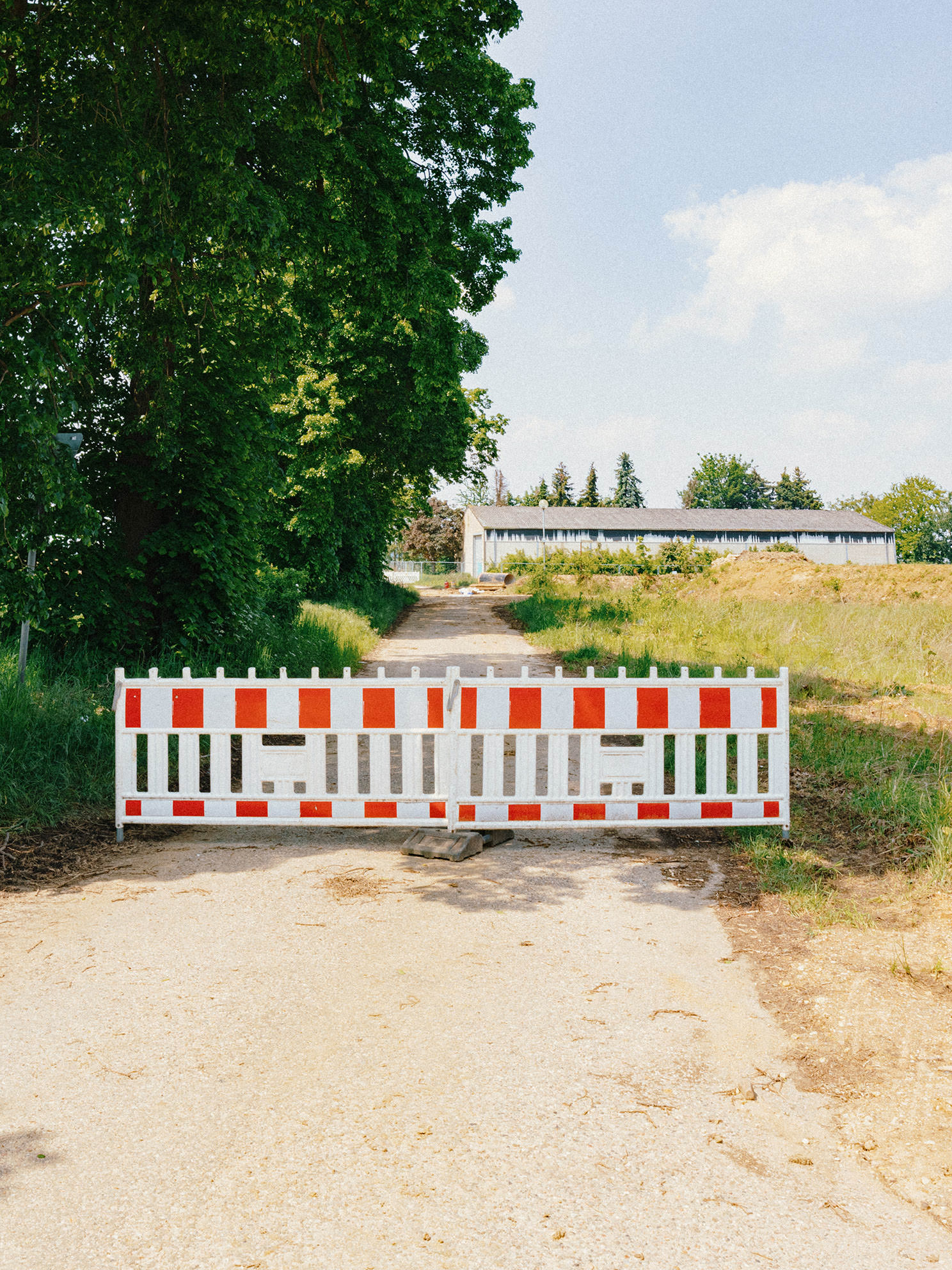
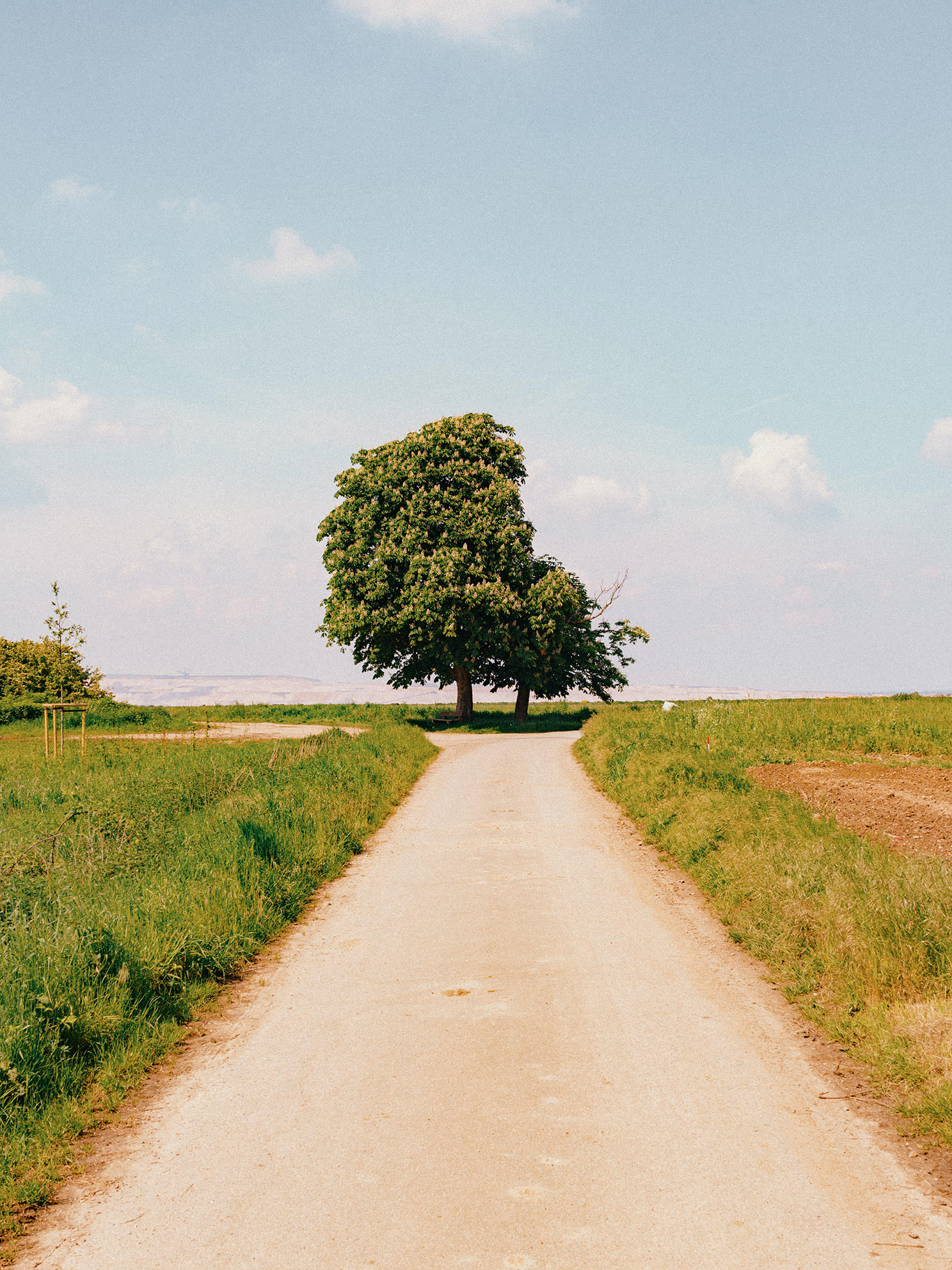
The photographs document a place in suspension. A village stands intact, yet no longer inhabited; streets, houses and objects remain, but the lives that once gave them meaning have already receded. What is visible is not ruin in the traditional sense, but a state just before it – silent and waiting. The absence is palpable. Rooms stand open, facades hold their shape, and paths lead nowhere. There is no event to witness, no decisive moment of destruction. Instead, the images trace a slow process: the withdrawal of human presence and the quiet expansion of something else.
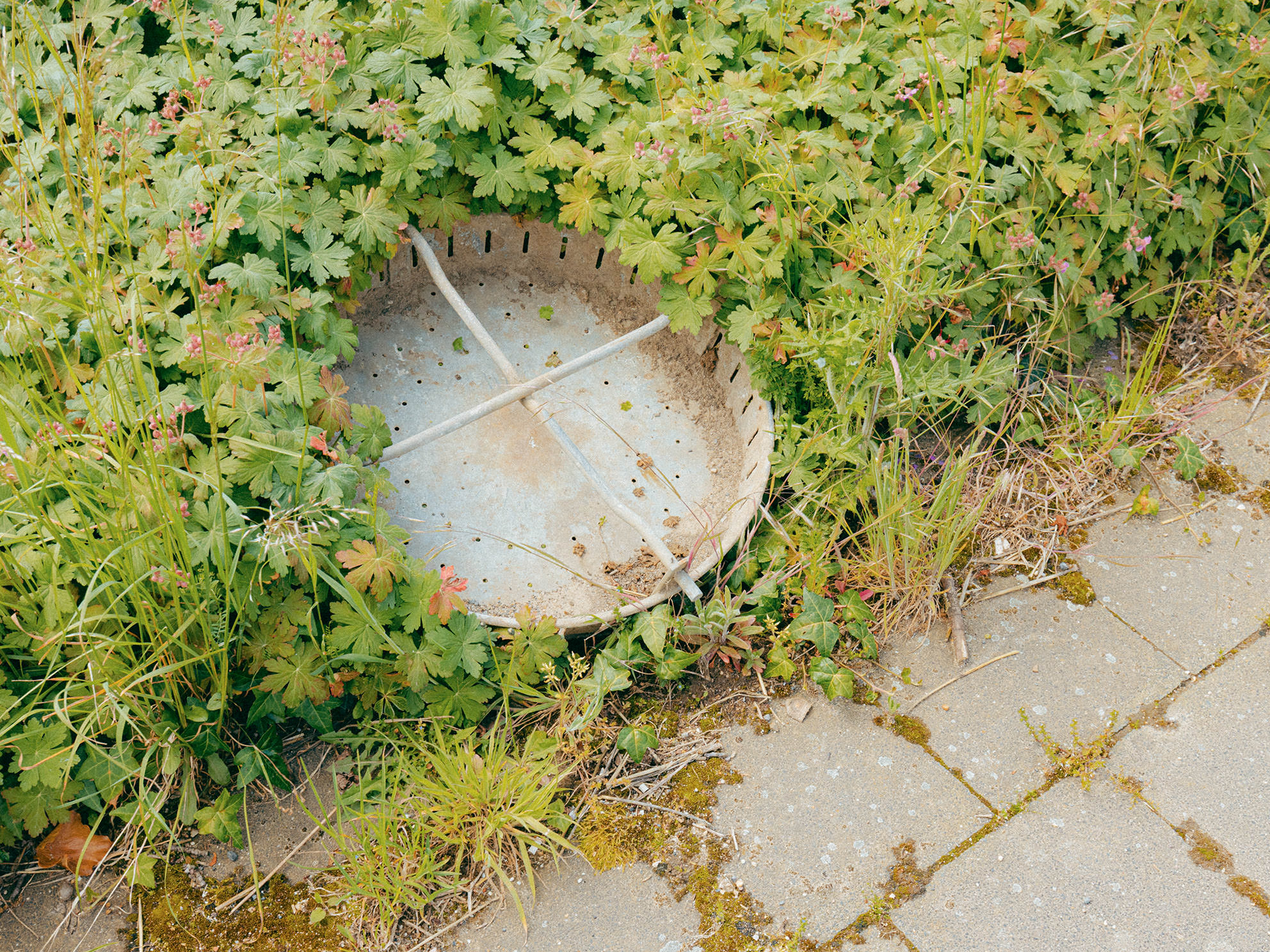
Nature gradually returns. Plants grow through cracks, surfaces weather, and the village slowly shifts from a place of habitation back into a landscape.
The excavators at its edge signal what is to come. Everything that remains is temporary, awaiting removal. These photographs do not seek to interpret or judge, but simply record a landscape suspended between human presence and its disappearance.
What is shown is only what is here……..still here.